
Analog endpoint access
OpenVox FXS gateways and modules connect supported analog endpoints to SIP.
Proof chips
- FXS
Choose the right migration path for analog devices, traditional lines, digital trunks and PBXs without forcing every change into one cutover.
The migration starting point
An estate may combine analog phones, fax machines, PSTN lines, E1/T1 trunks and a traditional PBX.
A useful migration plan inventories these dependencies, separates the required interface paths and sequences change according to operational risk and business priority.
Start with FXS access and endpoint validation.
Legacy PBXStart with analog, digital or SIP coexistence.
ISDN / PSTNStart with switch-off readiness and trunk replacement.
POTS serviceStart with device-by-device POTS replacement.
Each phase has its own scope, acceptance criteria and rollback decision instead of relying on a single all-at-once migration.
Record devices, PBXs, trunks, numbers, sites and dependencies.
Separate FXS, FXO, digital and SIP interworking requirements.
Sequence work by carrier trigger, business value and operational risk.
Validate each path before retiring the corresponding traditional service.
The final architecture may combine several product families as the estate moves from traditional voice to SIP.
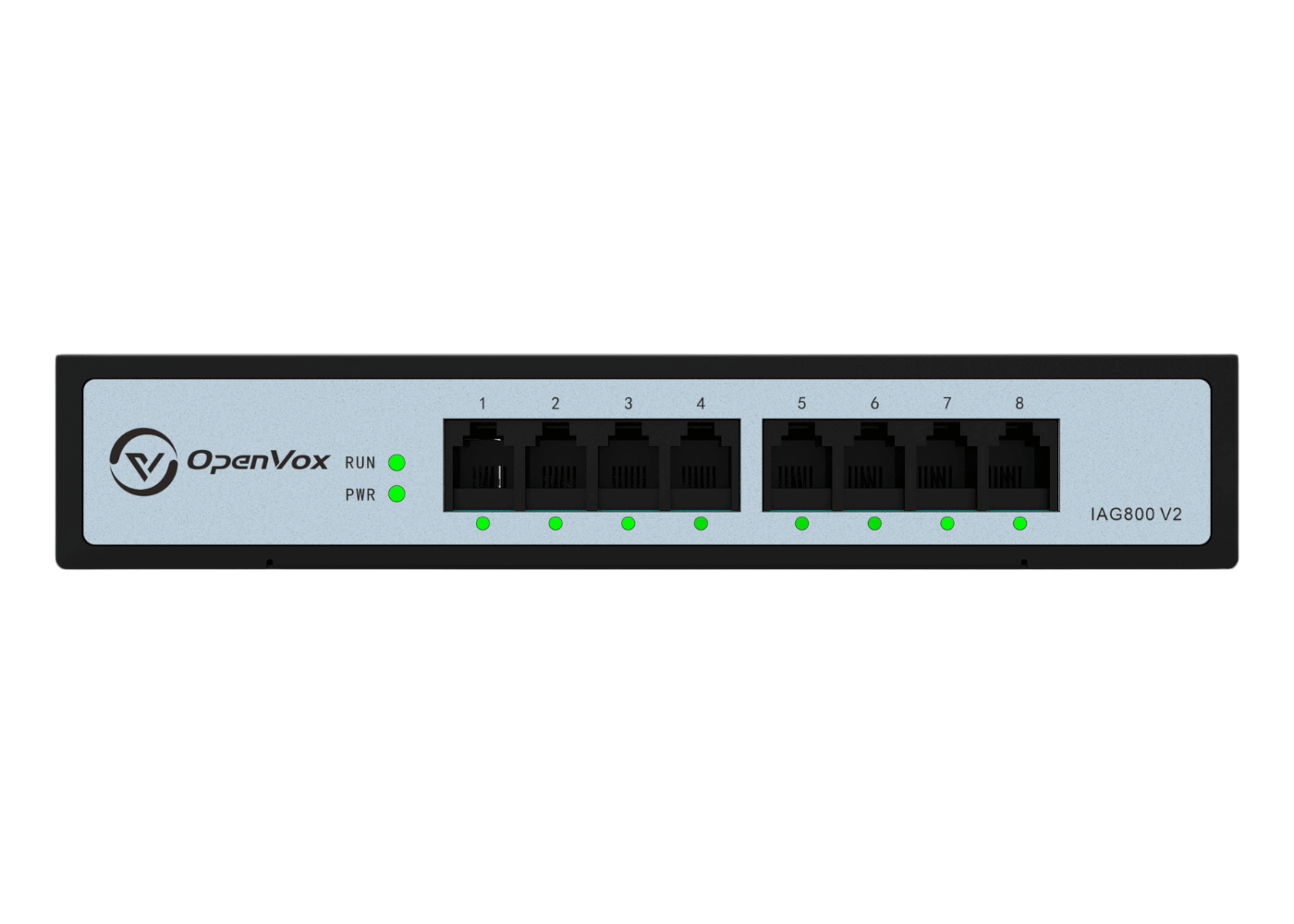
Flexible 2/4/8-port FXS/FXO gateway for connecting analog endpoints and PSTN lines to SIP networks.
View product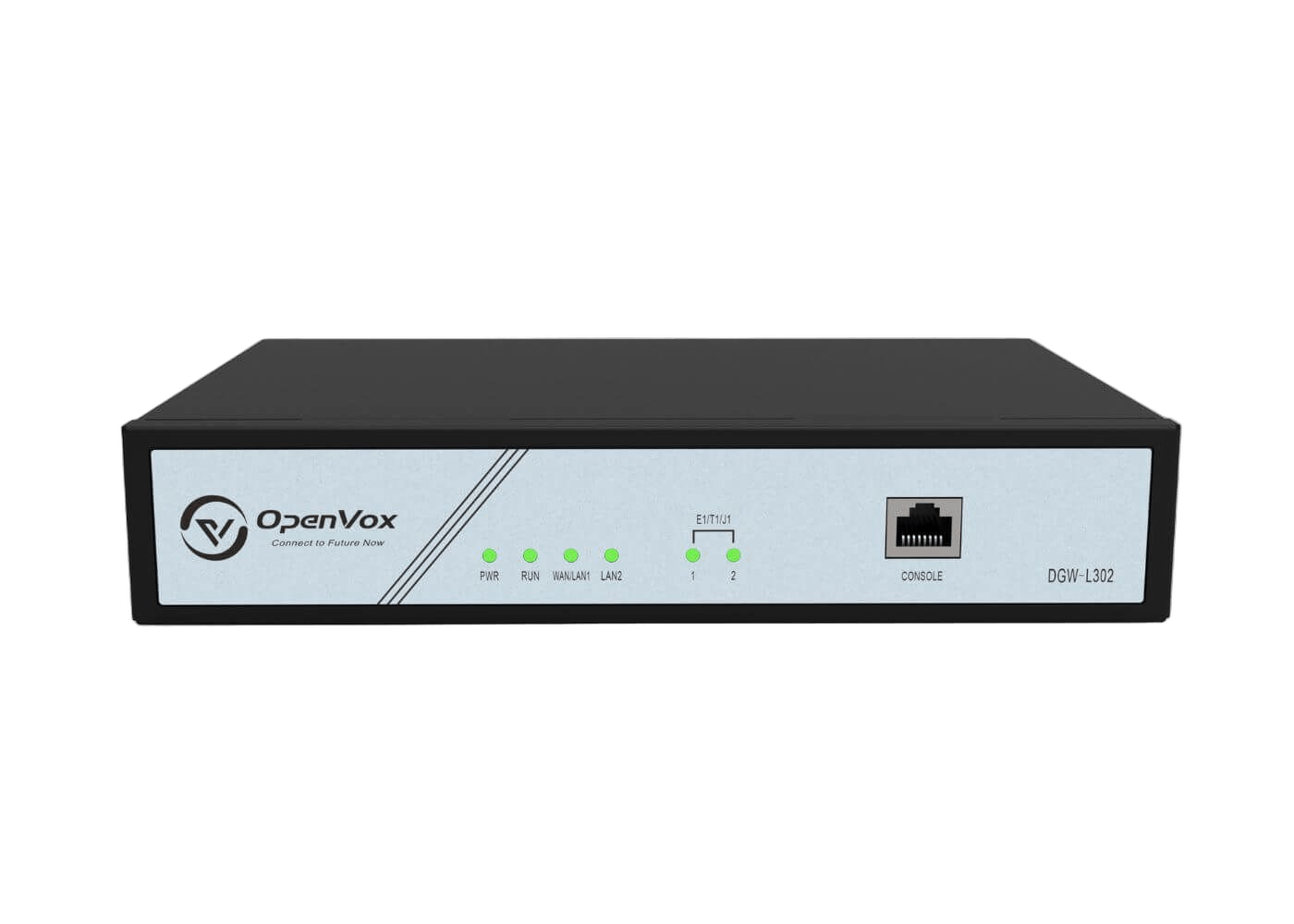
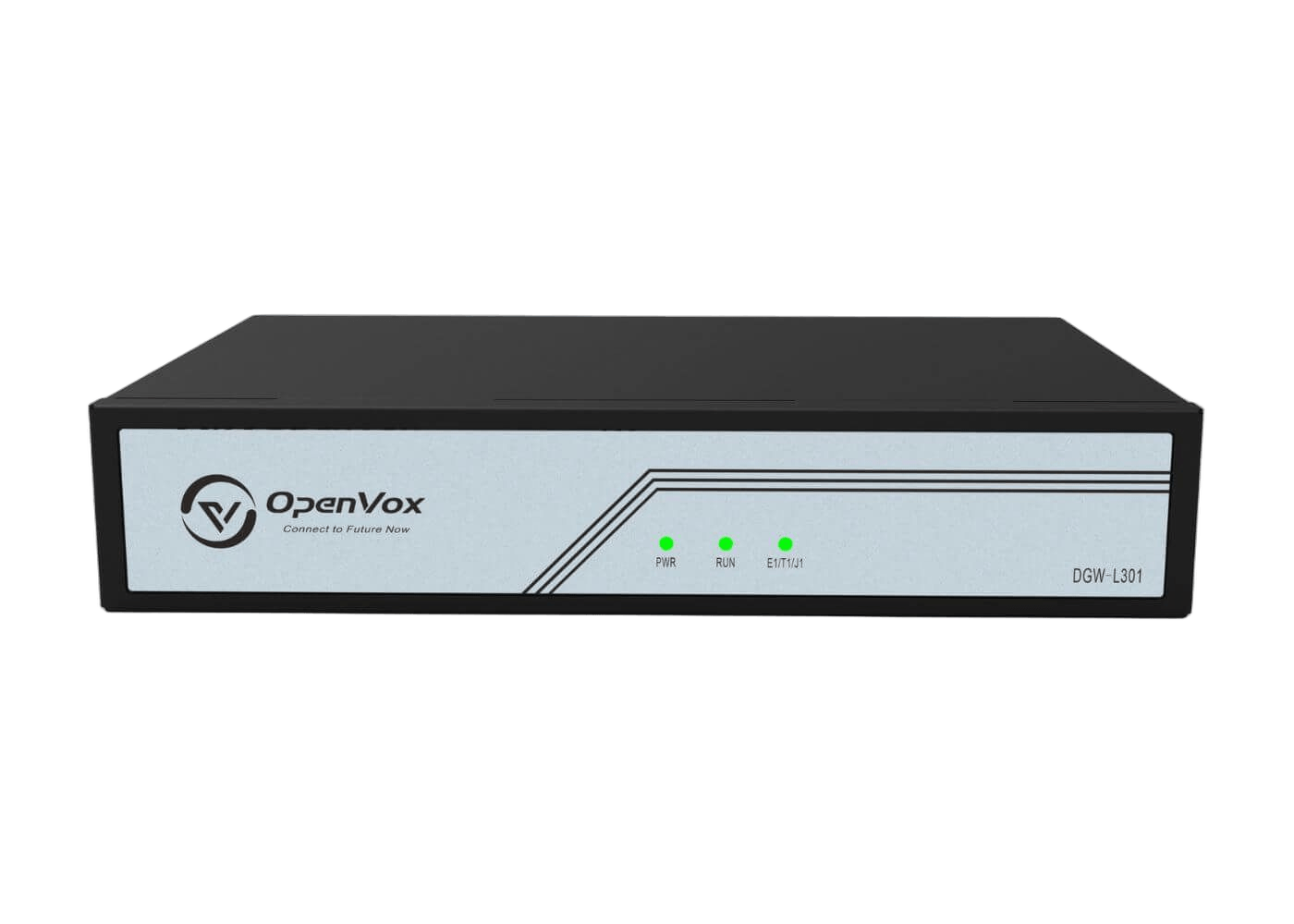
Dual-span E1/T1/PRI VoIP gateway for connecting two digital trunks to SIP networks with up to 60 concurrent calls.
View product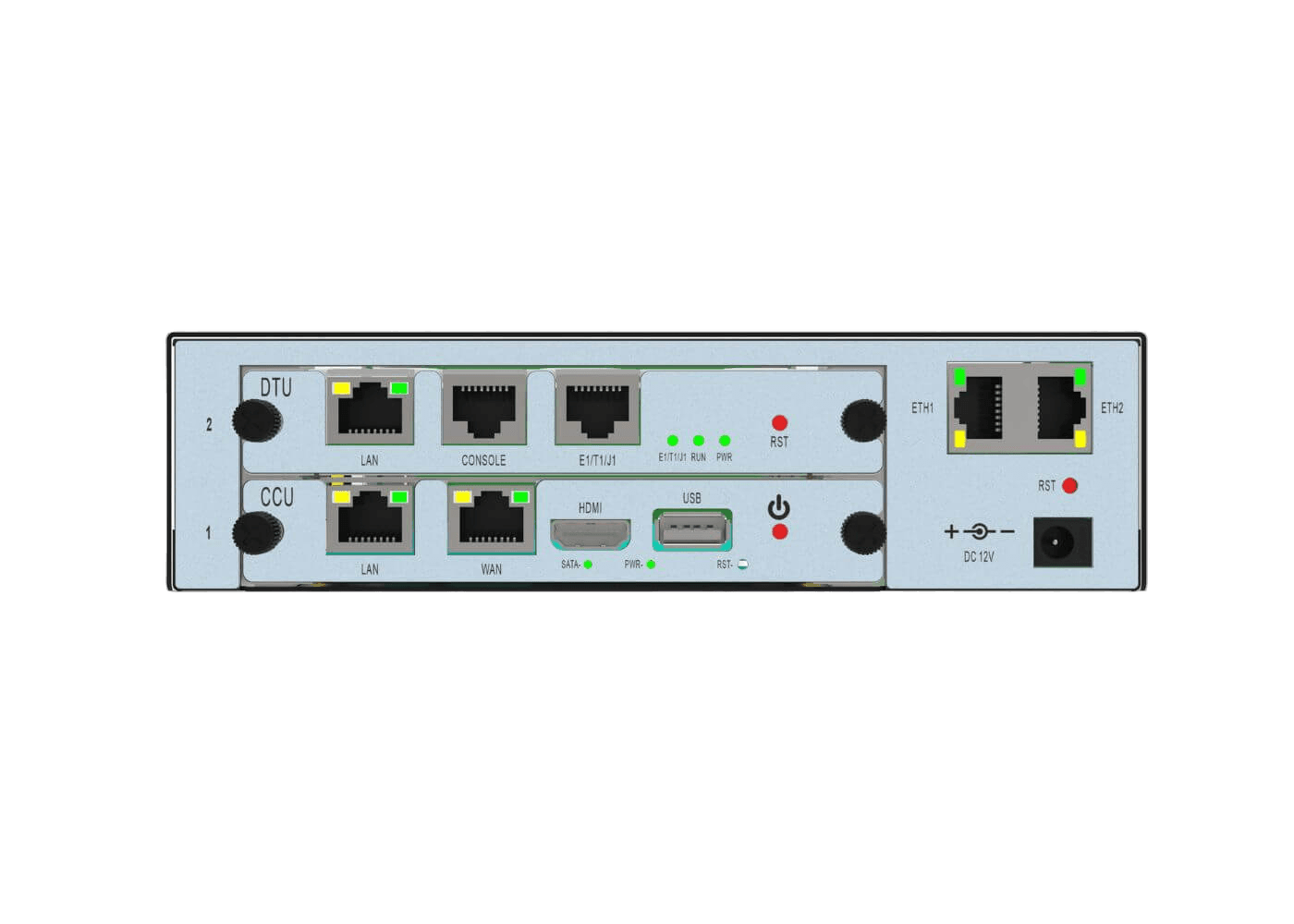
Unified Communication Platform (UCP) is the ideal solution to integrate data, voice and video in one product for small and medium-sized enterprises, which can be used in scenarios such as government and enterprise call systems, commercial call centers, and dispatch center industries.
View productThis page is a migration overview; detailed compatibility and capacity remain interface-specific assessments.
OpenVox FXS gateways and modules connect supported analog endpoints to SIP.
OpenVox FXO products connect analog PSTN and PBX interfaces to SIP.
Digital gateways and DTU modules support documented trunk and signaling options.
UCP supports standard SIP trunks for IP-PBX, softswitch and IMS environments.
Share devices, lines, trunks, PBXs, sites, carrier changes and target systems. OpenVox can help identify the migration paths and validation sequence.