
Retain devices that still serve a purpose
Keep analog phones and fax endpoints in service when project validation confirms they fit the new calling design.
Retain analog phones, fax machines and other established devices while introducing SIP and IP-PBX connectivity through OpenVox FXS gateways.
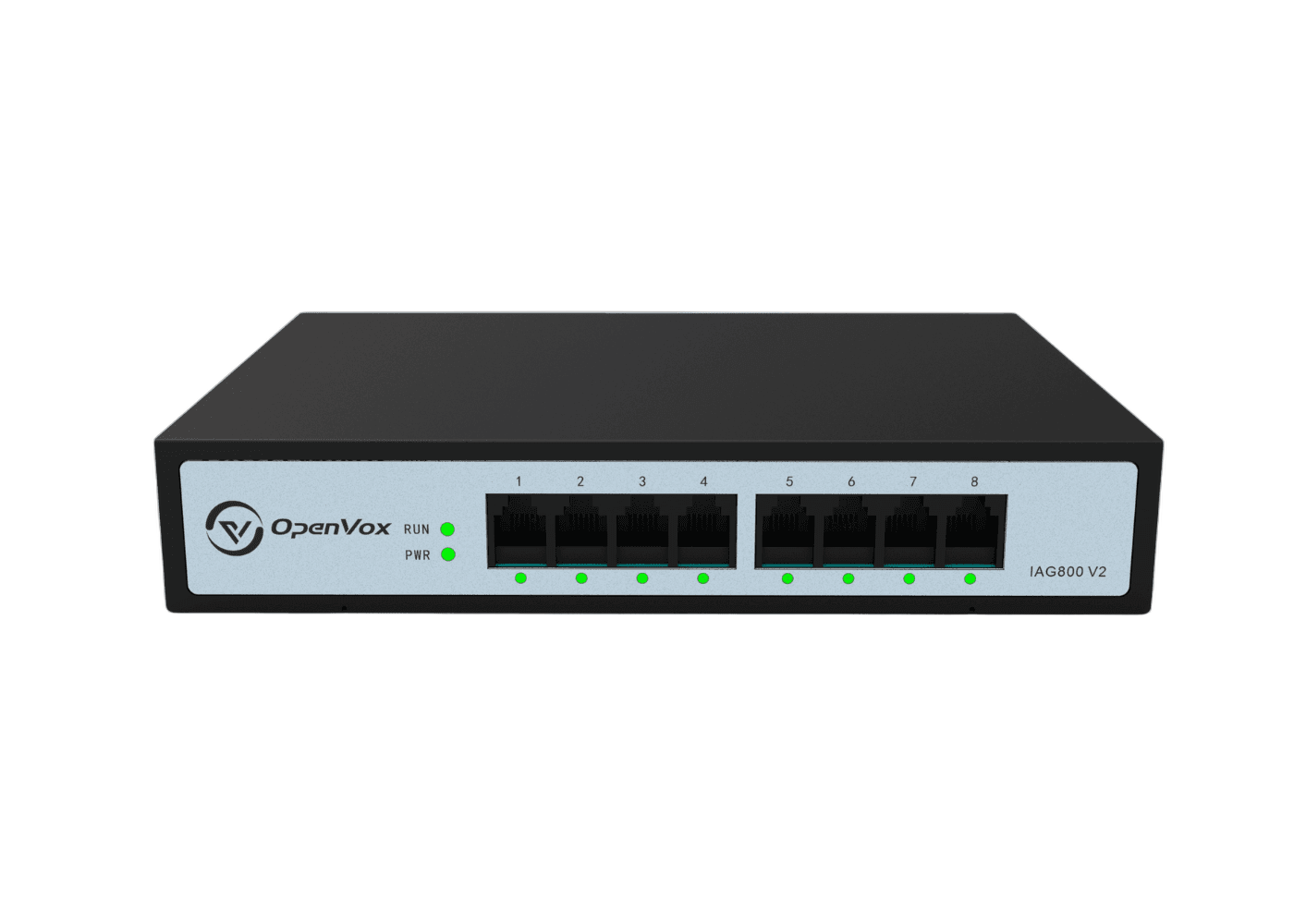
The migration decision
Analog phones, fax machines and other established devices may still perform a necessary task even when the voice core is moving to SIP.
Replacing every device at once can expand equipment cost, rewiring work and the cutover window. FXS access separates the timing of endpoint replacement from the decision to modernize the network around it.
Keep analog phones and fax endpoints in service when project validation confirms they fit the new calling design.
Register analog endpoints through an OpenVox gateway while the upstream calling system operates on SIP or IP-PBX.
Organize cutover work by building, floor, department or operational priority.
Connection architecture
Existing analog devices connect to FXS ports. The gateway then presents those extensions to the SIP or IP-PBX system, allowing analog and IP users to participate in the same calling environment.
Migration paths
Start with device type, quantity, cabling and location. Those inputs determine whether the site needs a small gateway, a building-level design or a phased high-density deployment.
Connect a defined set of analog phones or fax machines without redesigning the entire site.
Confirm endpoint type, port count, cabling location, SIP registration and the upstream IP-PBX.
Select enough capacity for the current group and credible near-term additions.
Analog devices are distributed across a building and need a shared connection to the IP voice platform.
Map endpoint clusters, equipment rooms and existing analog cabling before choosing capacity.
Decide whether one larger gateway or several local gateway points better fit the site.
A high number of established endpoints must remain operational during platform modernization.
Plan gateway capacity, equipment layout, validation and migration batches before changing endpoint groups.
Group migration work by building, floor, department or operational priority.
A controlled migration inventories the analog estate, places the required FXS capacity, validates calling behavior and then moves endpoint groups according to operational timing.
Record device types, quantities, locations, cabling groups and current calling behavior.
Place FXS gateway capacity between the endpoint estate and SIP.
Confirm registration, signaling, inbound and outbound calling, fax requirements and upstream platform fit.
Replace endpoints later when operational and financial timing supports it.
OpenVox FXS gateway families connect analog phones and other analog devices to SIP/IP-PBX systems, covering smaller endpoint groups through high-density access requirements.
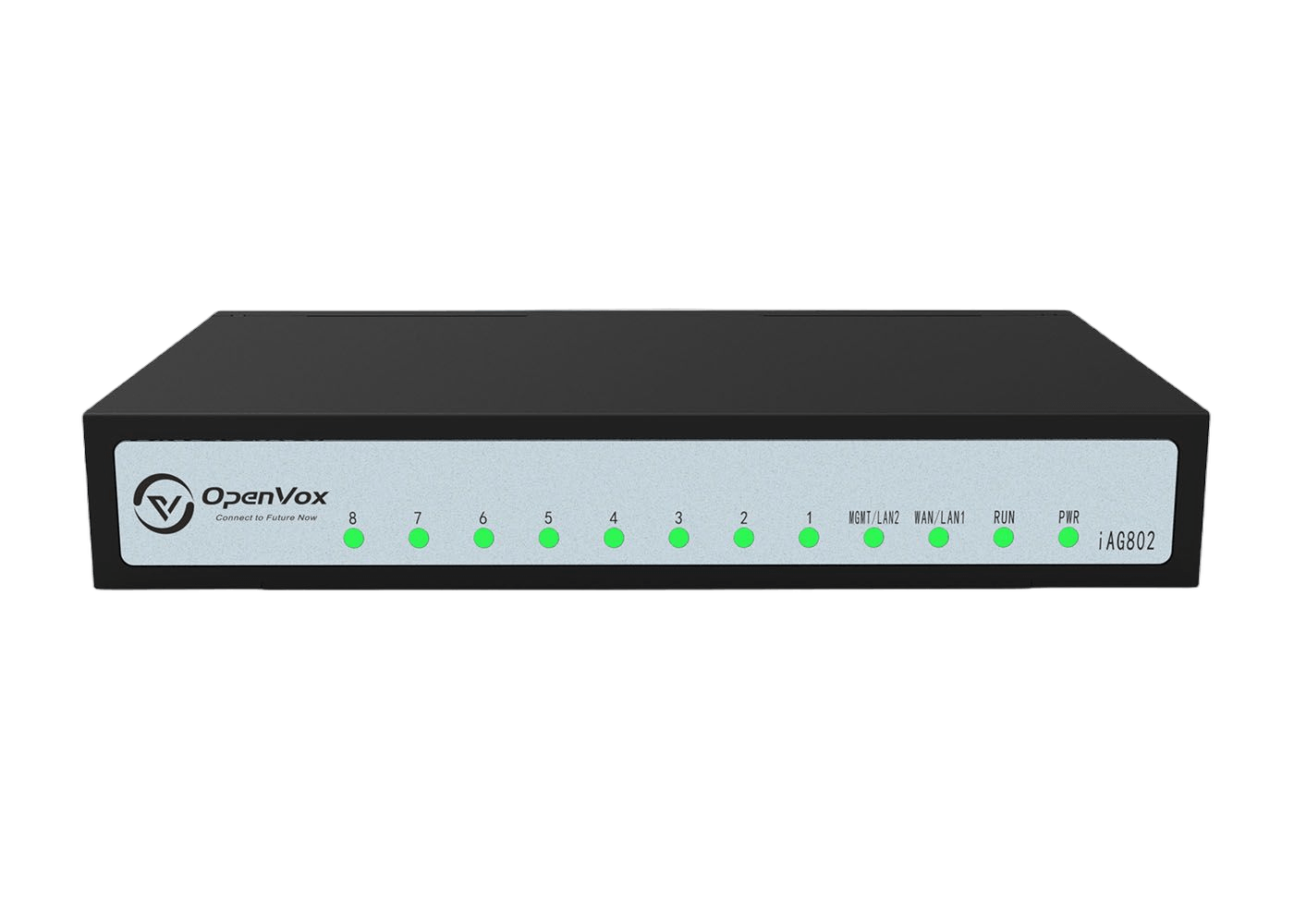
8-port FXS gateway for connecting analog phones and fax devices to SIP platforms with concurrent voice and fax processing.
View product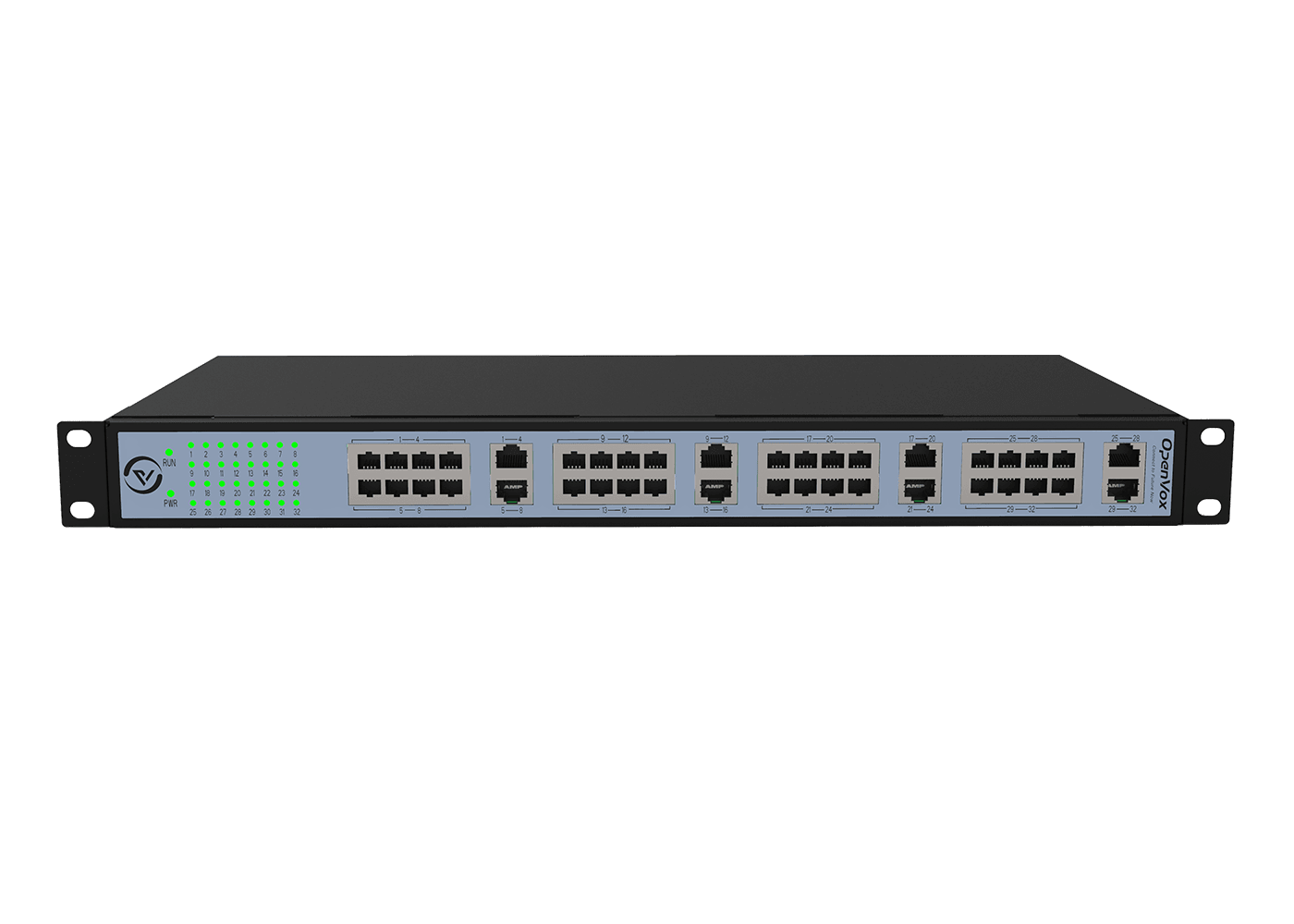
Compact 16/24/32-port FXS/FXO analog gateway for space-conscious VoIP deployments that need flexible analog endpoint and trunk connectivity.
View product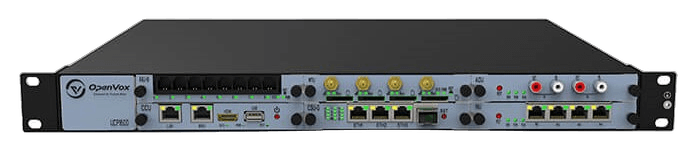
Unified Communication Platform (UCP) is the ideal solution to integrate data, voice and video in one product for small and medium-sized enterprises, which can be used in scenarios such as government and enterprise call systems, commercial call centers, and dispatch center industries.
View productOpenVox product documentation covers FXS devices and modules for different analog endpoint densities.
UCP documentation includes analog phones, fax machines, SIP phones and software endpoints within documented deployments.
An OpenVox deployment used IAG802 gateways to connect existing office analog phones while introducing an IP calling system without large-scale rewiring.
Device type, signaling, fax behavior and upstream system requirements are assessed before the final gateway model is chosen.
Share device types, quantities, locations, cabling, fax requirements and the target SIP or IP-PBX system. OpenVox can help map FXS capacity, validation and cutover stages.