
Keep established PBX users
Retain the extensions and calling habits that still support daily work.
Bridge a traditional PBX to SIP trunks, IP voice systems and new extensions through OpenVox analog, digital and SIP interworking.
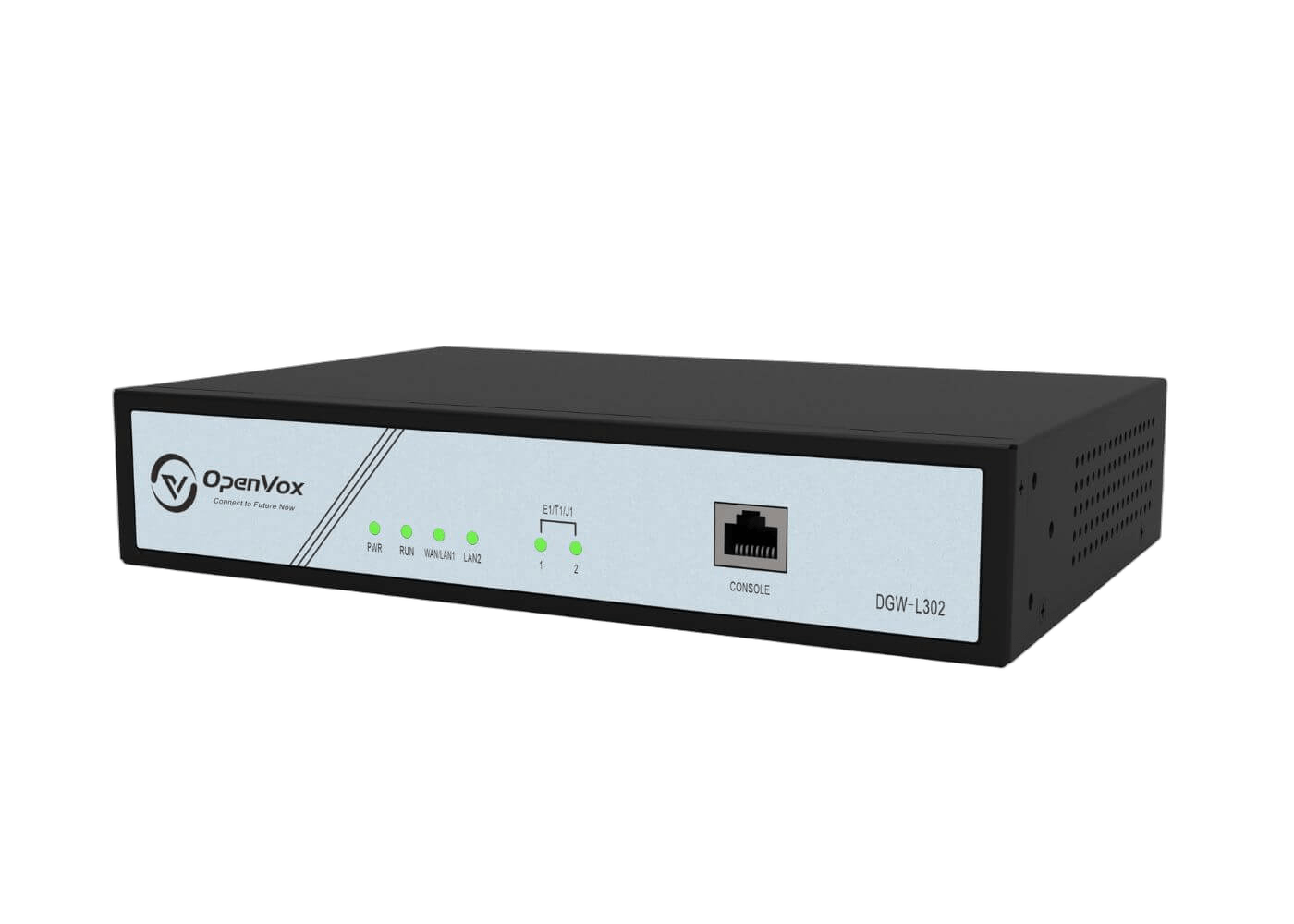
The migration decision
Many organizations still depend on existing extensions, numbering and trunk arrangements even when new sites or SIP services are being introduced.
A coexistence design avoids tying every improvement to one system replacement. OpenVox gateways create controlled analog, digital and SIP paths between the current PBX and the target voice environment.
Retain the extensions and calling habits that still support daily work.
OpenVox bridge layerIntroduce SIP connectivity, IP extensions or another site without forcing an immediate core replacement.
Migration paths
PBX coexistence becomes easier to plan when analog, digital, SIP and expansion paths are separated clearly.
Use FXO access where the existing PBX presents analog trunk or PSTN connections.
Use digital gateway or DTU capacity for documented E1/T1/J1 and signaling requirements.
Use SIP interworking to connect the legacy environment with an IP-PBX, softswitch or IMS network.
Extend calling without making the first project dependent on replacing every legacy component.
Document the present system, select the correct interworking path, validate calls and migrate only the elements included in each phase.
Record PBX model, trunks, extensions, numbering and required services.
Match analog, digital or SIP roles to the existing network.
Test inbound, outbound, internal and cross-system calling behavior.
Move trunks, users or sites according to operational timing.
Product selection follows the existing PBX interfaces, trunk capacity, target IP system and migration sequence.
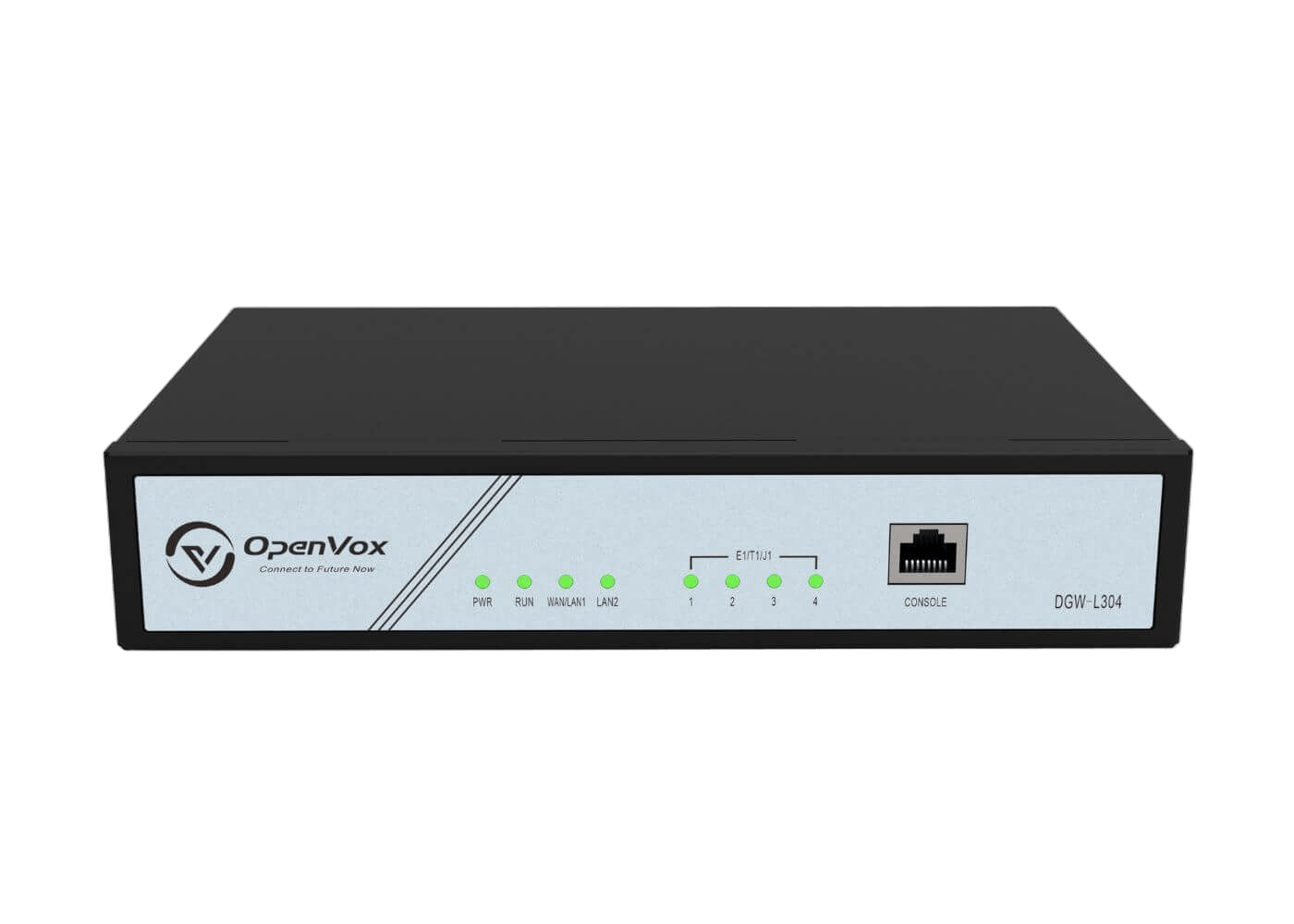
Four-span E1/T1/PRI VoIP gateway for connecting up to four digital trunks to SIP networks with up to 120 concurrent calls.
View product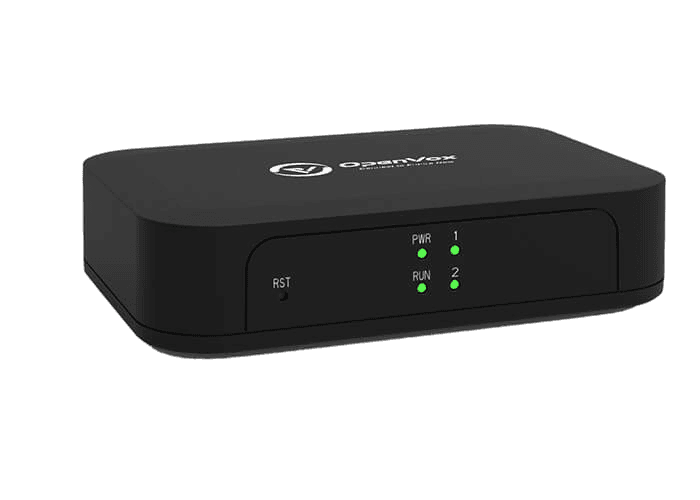
Compact 2-port FXS gateway for connecting analog phones and fax endpoints to SIP-based voice platforms in small offices, retail sites, and SOHO deployments.
View product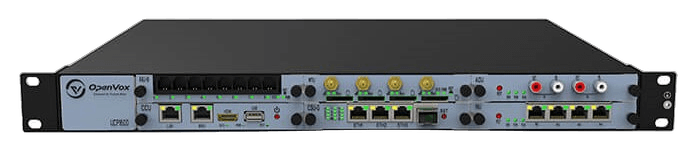
Unified Communication Platform (UCP) is the ideal solution to integrate data, voice and video in one product for small and medium-sized enterprises, which can be used in scenarios such as government and enterprise call systems, commercial call centers, and dispatch center industries.
View productBased on OpenVox UCP, analog gateway and digital trunk documentation.
OpenVox analog gateways and modules connect analog PSTN lines and PBX interfaces to SIP systems.
Documented digital products provide selectable trunk and signaling options.
UCP supports standard SIP trunks for IP-PBX, softswitch and IMS environments.
Numbering, signaling, call routing and service requirements are confirmed during solution design.
Share the PBX model, trunk types, extension estate, target SIP system and migration priorities. OpenVox can help define the analog, digital and SIP interworking roles.