
Share numbering and call management
Use distributed UCP and SIP interconnection to organize internal calling across locations.
Give headquarters, branches and multi-building sites a shared calling model through distributed UCP, SIP interconnection and the local trunk access each location still requires.
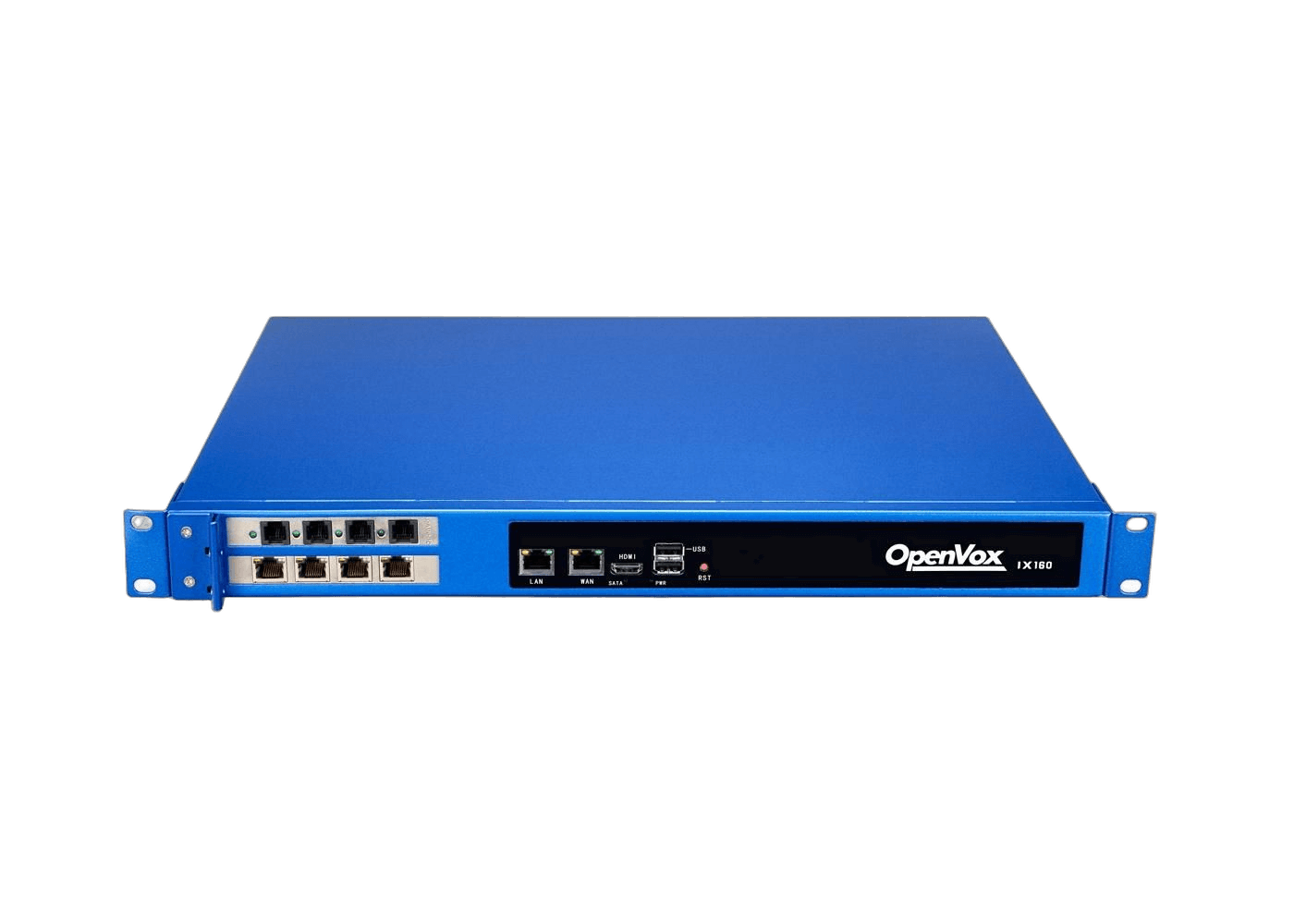
The operational problem
Headquarters, branches and remote buildings may each maintain their own numbering, call rules, trunks and endpoint mix.
That fragmentation makes cross-site calling harder to standardize and forces every expansion to revisit the same design decisions. A shared voice model brings sites together without removing the local access each one still needs.
Use distributed UCP and SIP interconnection to organize internal calling across locations.
Retain analog, digital or cellular trunk roles where local infrastructure requires them.
Add buildings or branches through a defined relationship between the shared core, local users and gateway access.
Distributed architecture
Distributed UCP and SIP interconnection provide the shared calling layer. Local gateways preserve site-specific phones, traditional systems and carrier access.
Site roles
A multisite design works when headquarters establishes the common calling model and each branch keeps the users, endpoints and trunks required for local operation.
Headquarters coordinates shared management and numbering. Branches and remote buildings connect local users while following the agreed inter-site calling model.
Connect analog endpoints, traditional PBXs or carrier trunks through the appropriate analog or digital gateway role.
UCP supports SIP interconnection and short dialing between headquarters and branch users.
Inventory each location, define the shared calling relationship, assign local access and continuity roles, then reuse the defined pattern for future sites.
Record users, PBXs, endpoints, trunks and continuity needs at each location.
Set the UCP, SIP interconnection, numbering and internal dialing relationship across the organization.
Place analog, digital or cellular access where the site still depends on local endpoints or trunks.
Assess model-specific resilience, backup trunks and the pattern used when another site is added.
UCP systems, analog gateways and cellular gateways take different responsibilities according to the organization-wide design and each location's local infrastructure.
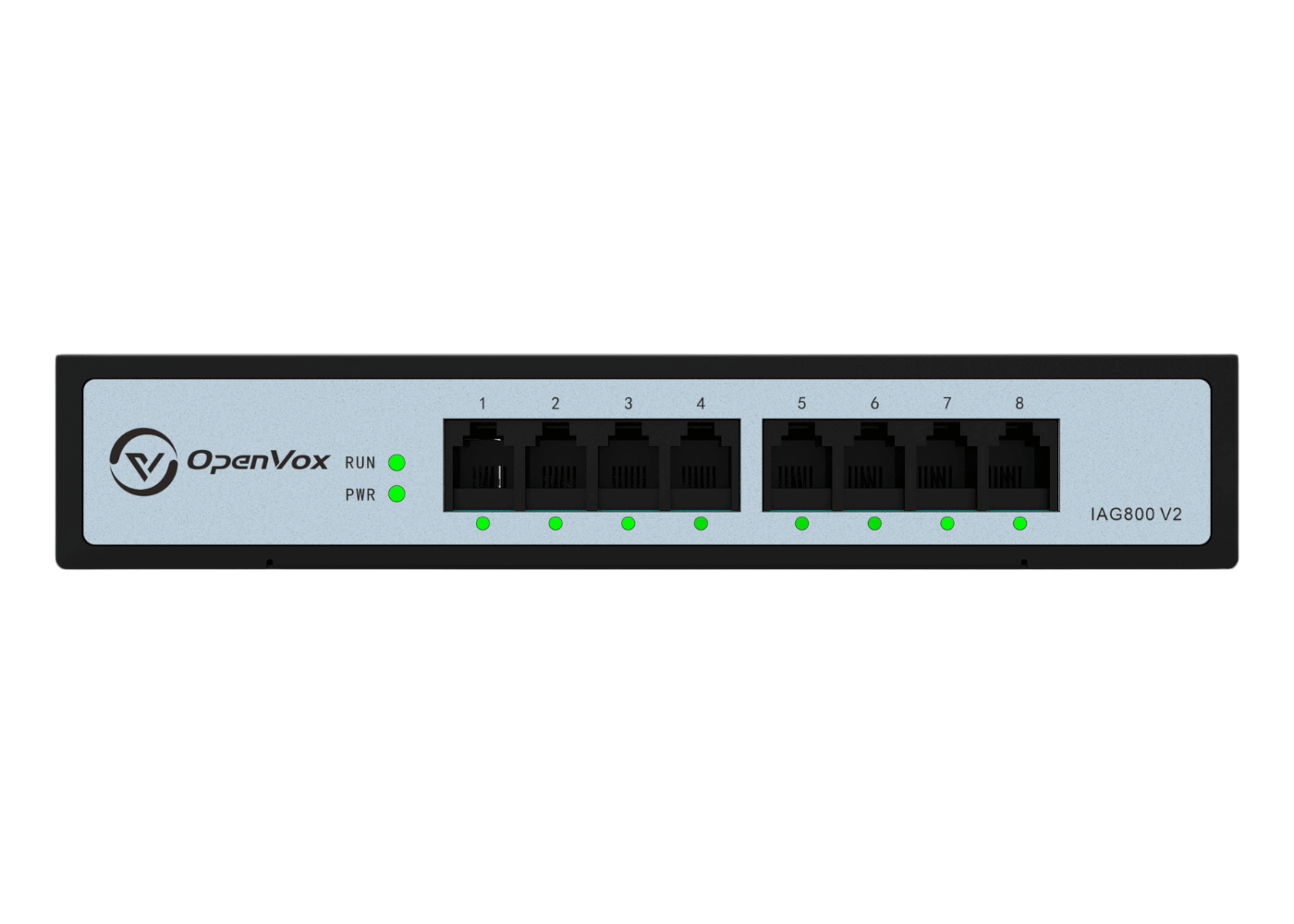
Flexible 2/4/8-port FXS/FXO gateway for connecting analog endpoints and PSTN lines to SIP networks.
View product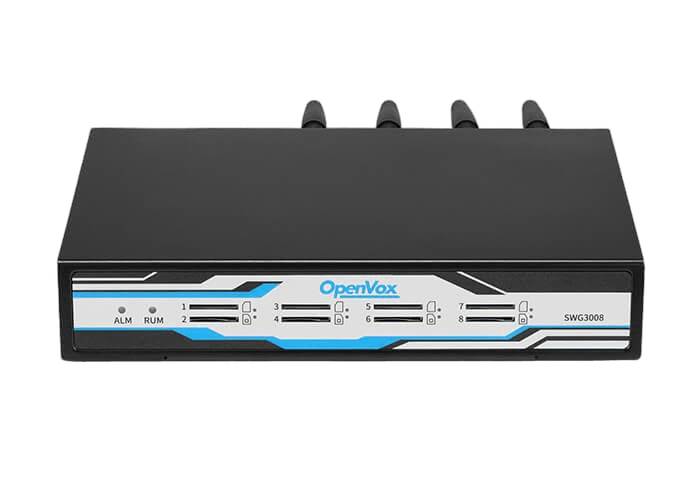
8-channel GSM/LTE wireless gateway for connecting mobile voice and SMS services to SIP networks.
View product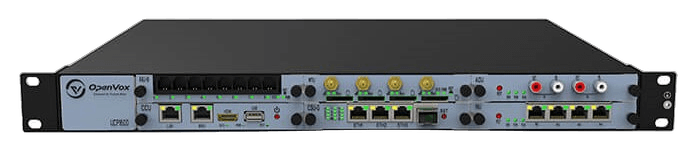
Unified Communication Platform (UCP) is the ideal solution to integrate data, voice and video in one product for small and medium-sized enterprises, which can be used in scenarios such as government and enterprise call systems, commercial call centers, and dispatch center industries.
View productAn OpenVox customer needed a new office building to join the existing phone system without disrupting established numbering and calling behavior.
OpenVox UCP systems in the old and new buildings were interconnected through SIP for unified numbering and internal calling.
MAG2000 analog gateways connected workstation phones, while digital and wireless trunk roles supported local external calling and backup design.
The two buildings operated with a shared numbering experience instead of requiring employees to learn a separate internal calling model.
Share the headquarters and branch map, user counts, current PBXs, local trunks, internal dialing requirements and continuity priorities. OpenVox can help define the shared core and site gateway roles.