
OpenVox iAG200 Analog VoIP Gateway

OpenVox iAG200 Analog VoIP Gateway

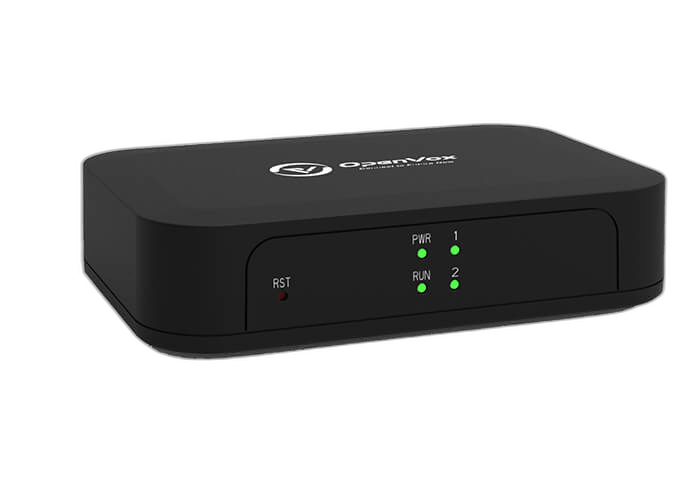
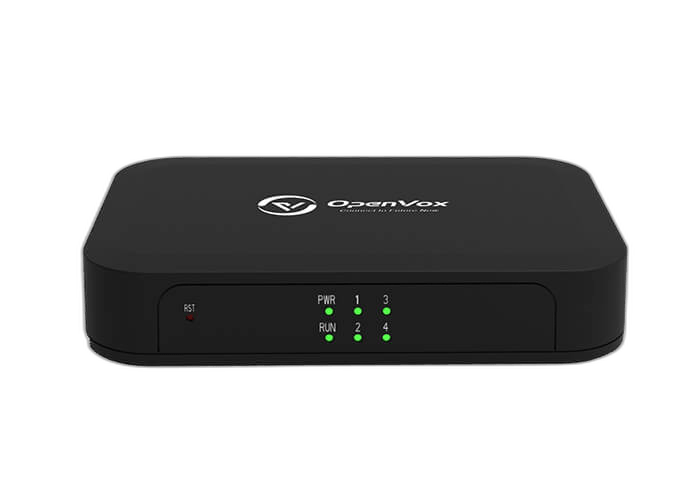
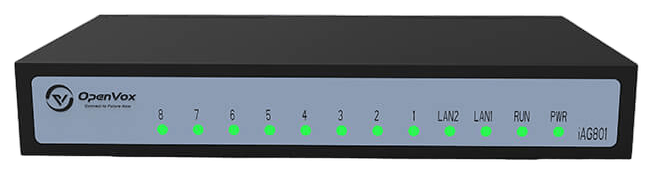
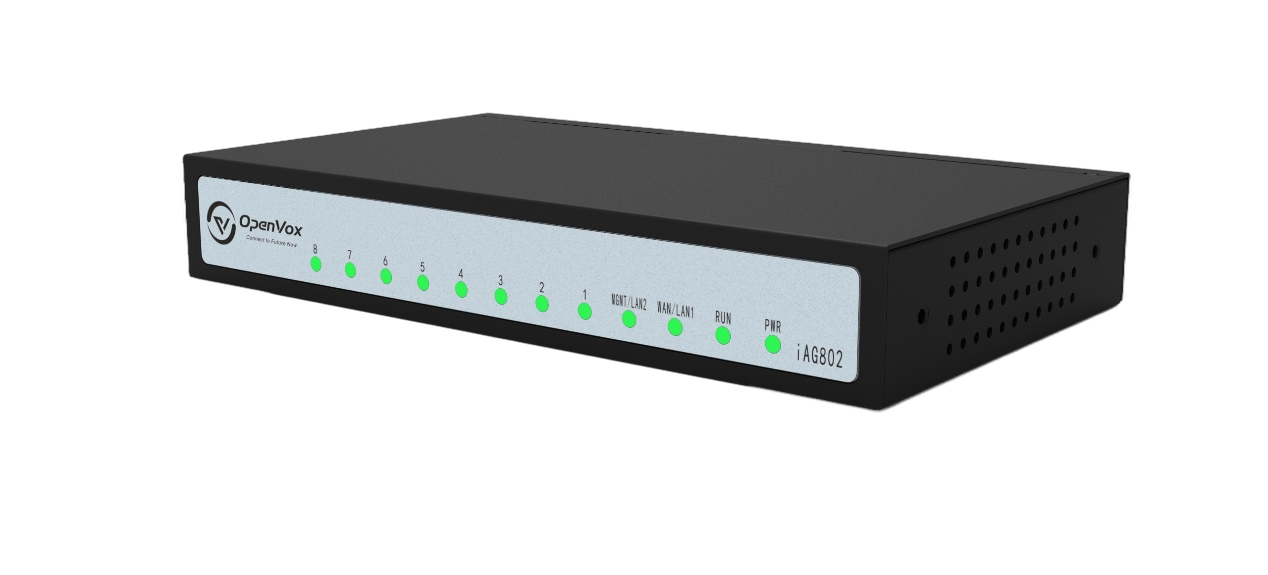
OpenVox ATA gateways provide 2, 4, and 8 FXS options for analog phone and fax access, helping buyers narrow models first by port count, uplink class, and deployment footprint.

Keep analog phones in service while SIP handles the core.

OpenVox ATA gateways help organizations keep analog phones, fax devices, and service lines in operation while moving call control into IPPBX, hosted PBX, or SIP server environments. The result is a cleaner migration path, lower endpoint replacement cost, and less disruption to existing voice workflows.

  • Retain analog phones and fax devices while SIP handles call control.
  • Reduce replacement pressure during phased voice migration.
  • Fit standard IPPBX, hosted PBX, and SIP server deployments.
  • Keep remote maintenance and firmware management available after rollout.
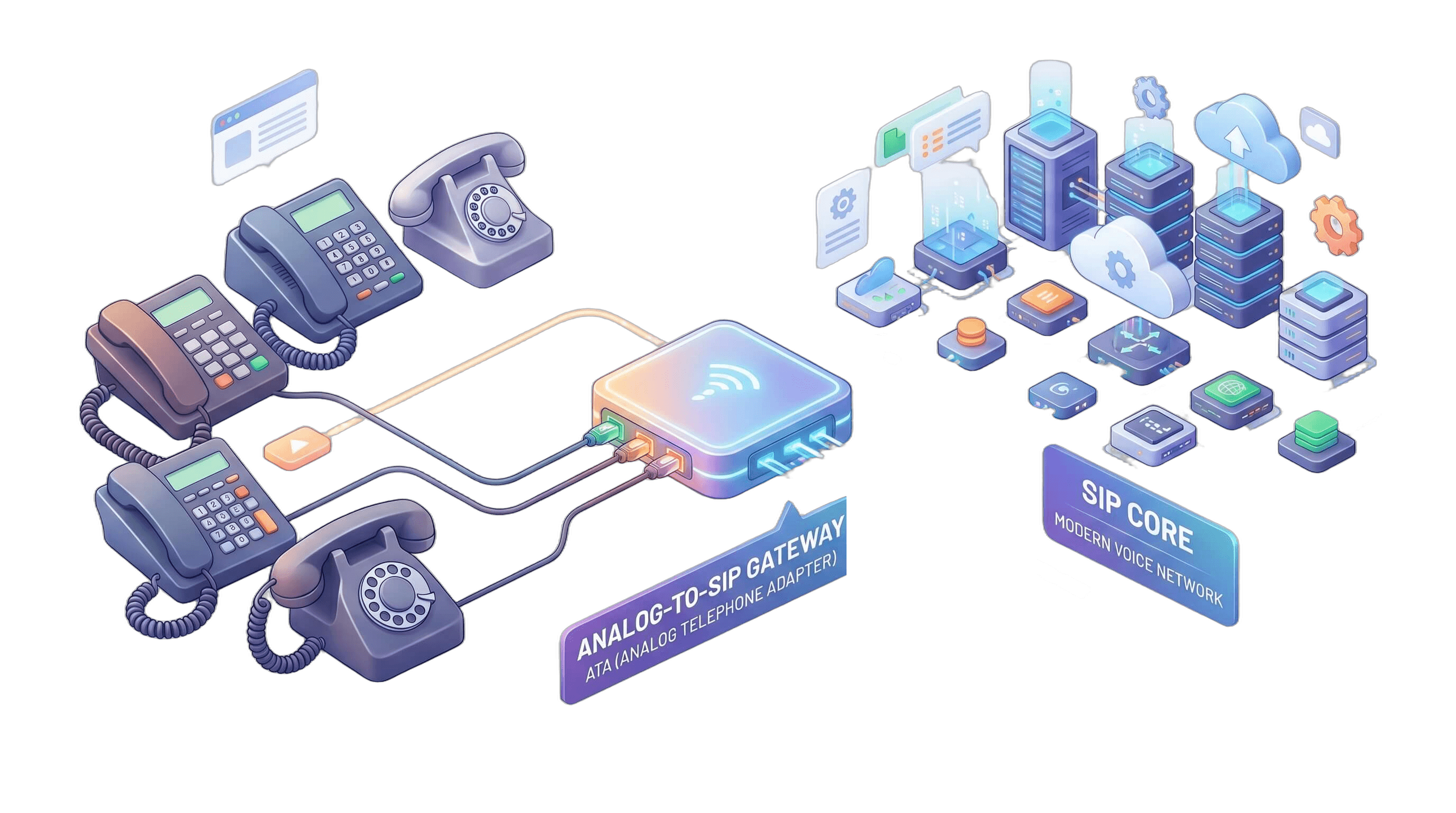
OpenVox ATA analog-to-SIP deployment illustration

Core ATA functions across the iAG series.

OpenVox iAG ATA gateways share the same SIP-to-FXS access architecture, fax support path, and remote maintenance framework across the full range.

2 / 4 / 8ATA size options

Analog endpoints into SIP

Keep analog phones, fax devices, and service lines working while SIP takes over call control upstream.

  • The family keeps the same analog-to-SIP role even as port count changes.
  • That lets buyers focus first on hardware fit instead of relearning a different product category.
Proof chips
  • Same ATA family logic
  • 2 to 8 FXS path
T.38Fax relay support

Voice and fax continuity

Plan voice continuity and fax handling the same way across the whole ATA range before rollout.

  • Validate codec, DTMF, and fax behavior against the target IPPBX, SIP server, or hosted PBX.
  • This keeps fax-sensitive projects from being overlooked during a hardware-led shortlist.
Proof chips
  • Analog voice continuity
  • T.38 / G.711 check
FE / GEUplink classes

Network fit by model tier

Fast Ethernet stays on the 2 and 4 port models, while Gigabit uplinks sit on the 8 port models.

  • This is the main hardware split after FXS count when matching branch network expectations.
  • It gives buyers a simple second filter before reading deeper datasheet detail.
Proof chips
  • FE on iAG200 / iAG400
  • GE on iAG801 / iAG802
TR-369Carrier remote management

Remote Operations

Support rollout and fault isolation with encrypted web access, SSH, SNMP monitoring, logs, configuration backup, firmware upgrade, and packet capture.

  • Use encrypted management plus TR-069, TR-181, and TR-369 provisioning paths for carrier rollout and fleet maintenance.
  • Collect logs, run packet capture, back up configuration, and upgrade firmware during fault isolation.
Proof chips
  • TR-069 / TR-181 / TR-369
  • Backup / upgrade / capture

Key checks before selecting an ATA model.

Before ordering, confirm the analog endpoint count, uplink type, fax handling requirements, and maintenance method for the target site.

Port count and cabinet fit

  • Confirm how many analog phones or fax lines stay live at the site before choosing 2, 4, or 8 FXS.
  • Check whether the gateway will sit on a desk, in a small cabinet, or in a denser branch equipment area.
  • Keep the shortlist simple: iAG200 and iAG400 for lighter access, iAG801 and iAG802 for 8-port consolidation.

SIP and fax expectations

  • Match the ATA to the IPPBX, SIP server, or hosted PBX environment that will own registration.
  • Confirm codec, DTMF, and T.38 or G.711 fax behavior if fax traffic still matters to the site.
  • Use the datasheet check when procurement needs detail beyond the high-level hardware table.

Operations and support handoff

  • Confirm whether dual Fast Ethernet or dual Gigabit uplinks better fit the target branch network.
  • Keep web, SSH, SNMP, backup, firmware, and remote operations aligned with the support workflow.
  • Move to support or sales once the model is clear but compatibility, quantity, or rollout timing still needs confirmation.

ATA gateway specifications by model.

Compare hardware differences by model and shared system capabilities across OpenVox ATA gateways.

SpecificationiAG200iAG400iAG801iAG802
Access Density
FXS ports248
Network And Operations
Network interface2 x 10/100 Mbps2 x 10/100/1000 Mbps
SIP protocolSIP v2.0
Remote managementWeb/HTTPS, SSH, SNMP, TR-069, TR-181, TR-369
Voice And Fax
Voice codecsG.711A/U, G.729A, G.722, G.726, iLBC
Echo cancellationG.168, 128 ms
Fax modesT.38 / G.711 pass-through
Maximum fax rate14.4 kbps
Physical And Power
Power inputDC 12V / 1ADC 12V / 2A
Max power consumption6 W8 W12 W
Chassis size125 x 85 x 28.7 mm150 x 100 x 28.7 mm170 x 98 x 26 mm
CertificationCE

Need help choosing the right ATA gateway?

Connect with OpenVox to confirm ATA model selection, deployment fit, project quantity, and commercial planning for your analog voice rollout.