
Central operations office
Manage business extensions, external routes and intersite calling.
Coordinate business calling, priority communication and local trunk access across logistics sites through a distributed OpenVox voice design.
The distributed operations challenge
A hub, warehouse and remote operating site may each need internal calling, local external routes and a defined path for urgent communication.
The design must connect these locations without assuming every site has the same trunks, endpoints or continuity requirements.
Manage business extensions, external routes and intersite calling.
Connect supported phones and approved paging zones for local teams.
Configure documented hotline, transfer and permission behavior around operating roles.
Use the trunk type that fits local carrier service and coverage.
Shared network, local roles
UCP connects locations through SIP, local gateways preserve required trunks and endpoints, and paging or hotline functions support defined priority paths.
Central extensions and coordination
Local users, phones and paging zones
Defined hotline and call-routing tasks
SIP, digital, analog or cellular trunks
The project separates the common calling model from local differences in trunks, endpoints and continuity.
List hubs, warehouses, dispatch points and remote offices.
Document intersite, local, external and priority communication.
Select SIP, digital, analog or cellular roles per site.
Test routing, permissions, paging and selected alternate paths.
Product selection follows site count, extension scale, paging scope, existing trunks and available carrier services.
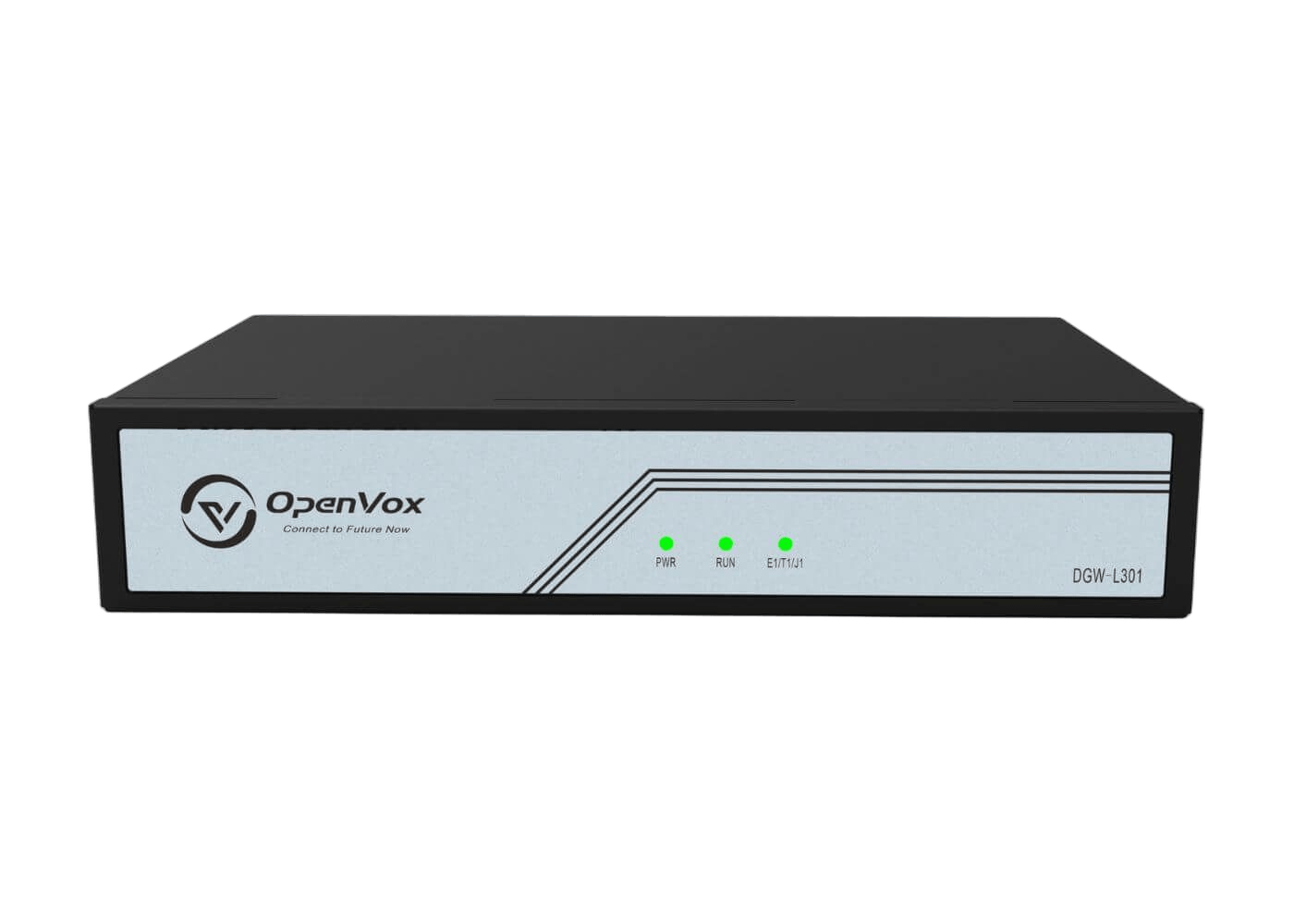
Single-span E1/T1/PRI VoIP gateway for connecting one digital trunk to SIP networks with up to 30 concurrent calls.
View product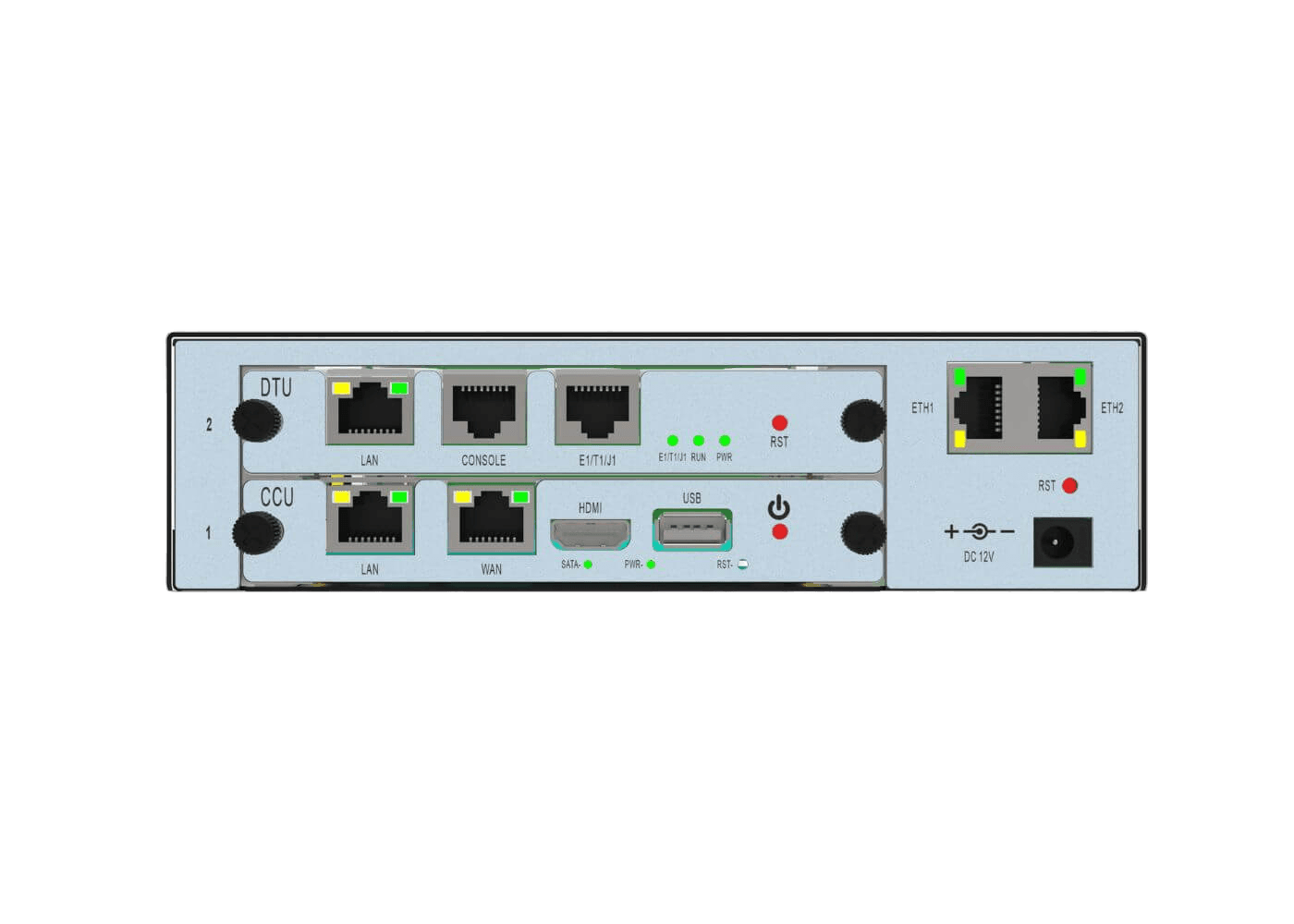
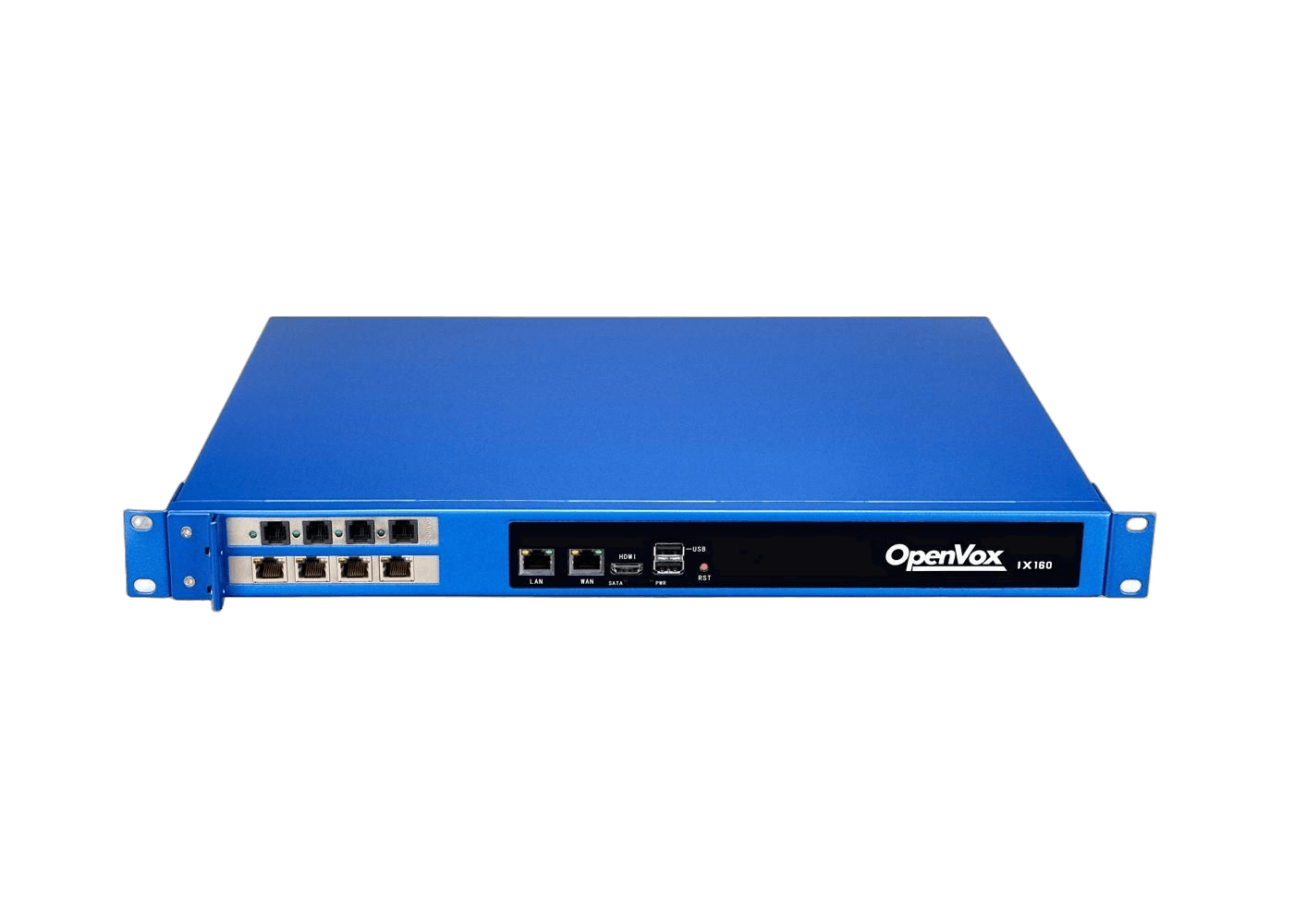
Unified Communication Platform (UCP) is the ideal solution to integrate data, voice and video in one product for small and medium-sized enterprises, which can be used in scenarios such as government and enterprise call systems, commercial call centers, and dispatch center industries.
View product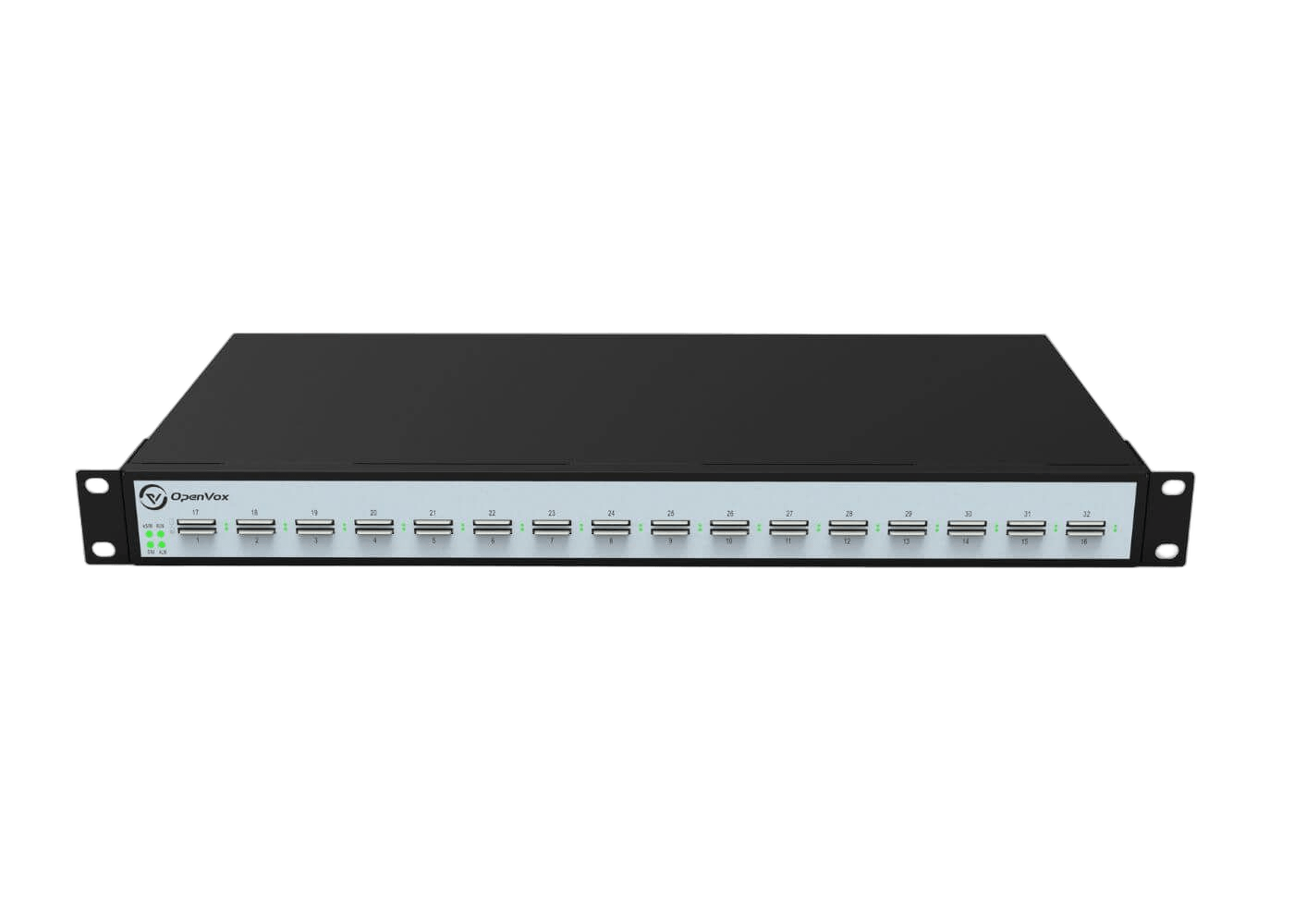
eSIM wireless gateway series for 16/32-channel mobile voice and SMS deployments with simplified SIM operations.
View productNo fleet, vehicle, radio, video or omnichannel platform capability is implied.
OpenVox documents headquarters, branch and multi-building SIP interconnection.
UCP includes documented hotline, paging broadcast and emergency calling functions.
Digital gateways and DTU modules support documented E1/T1/J1 roles.
OpenVox cellular gateways can serve defined primary or backup trunk roles.
Share site types, users, extensions, paging tasks, trunk services and continuity priorities. OpenVox can help map the shared platform and local access roles.