
Block 01
Scenario-led design
Map operator gateway access and service boundary to the communication environment before hardware selection.
Connect operator-side voice infrastructure with OpenVox gateway access so service delivery can be reviewed as a managed network edge.
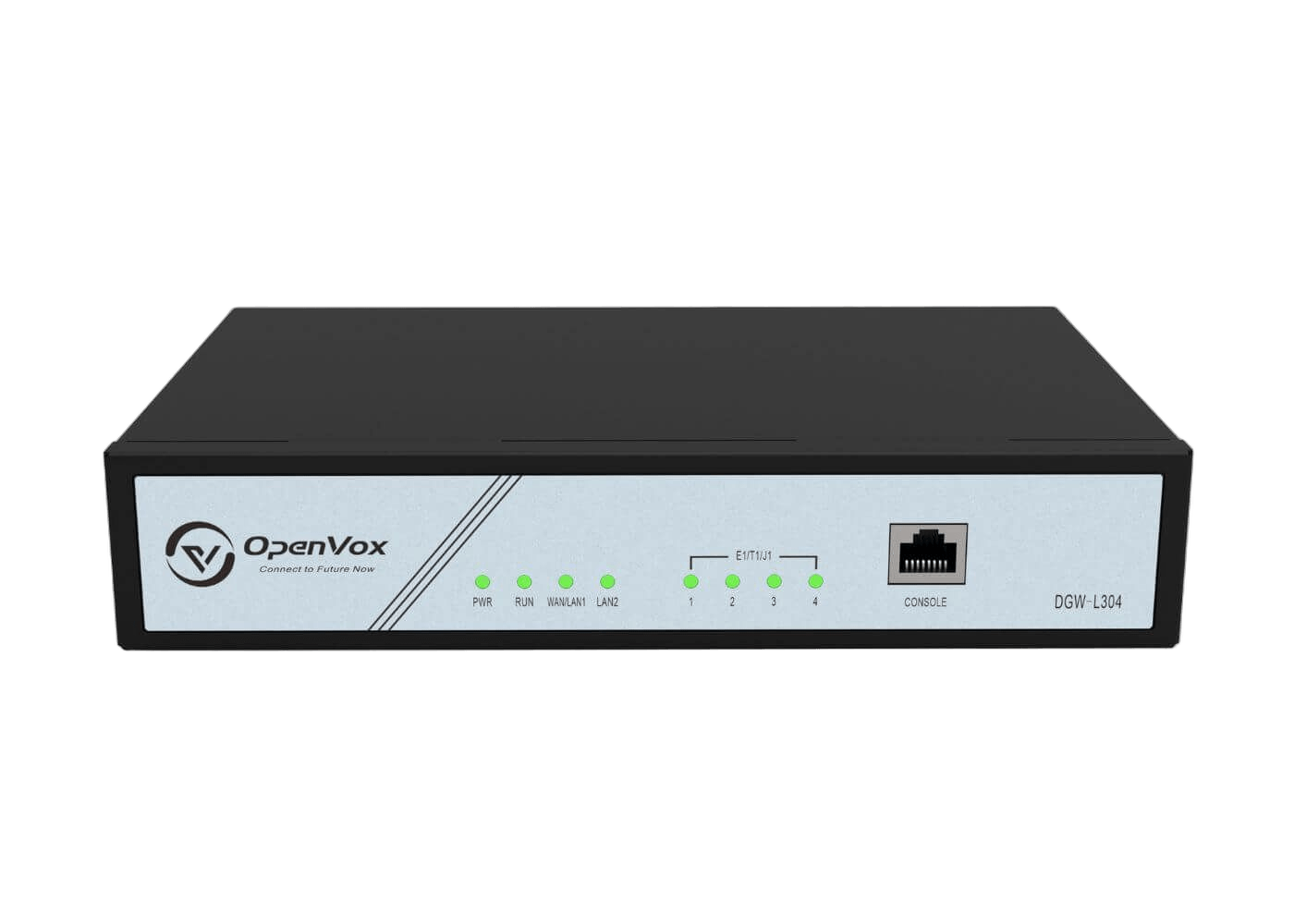
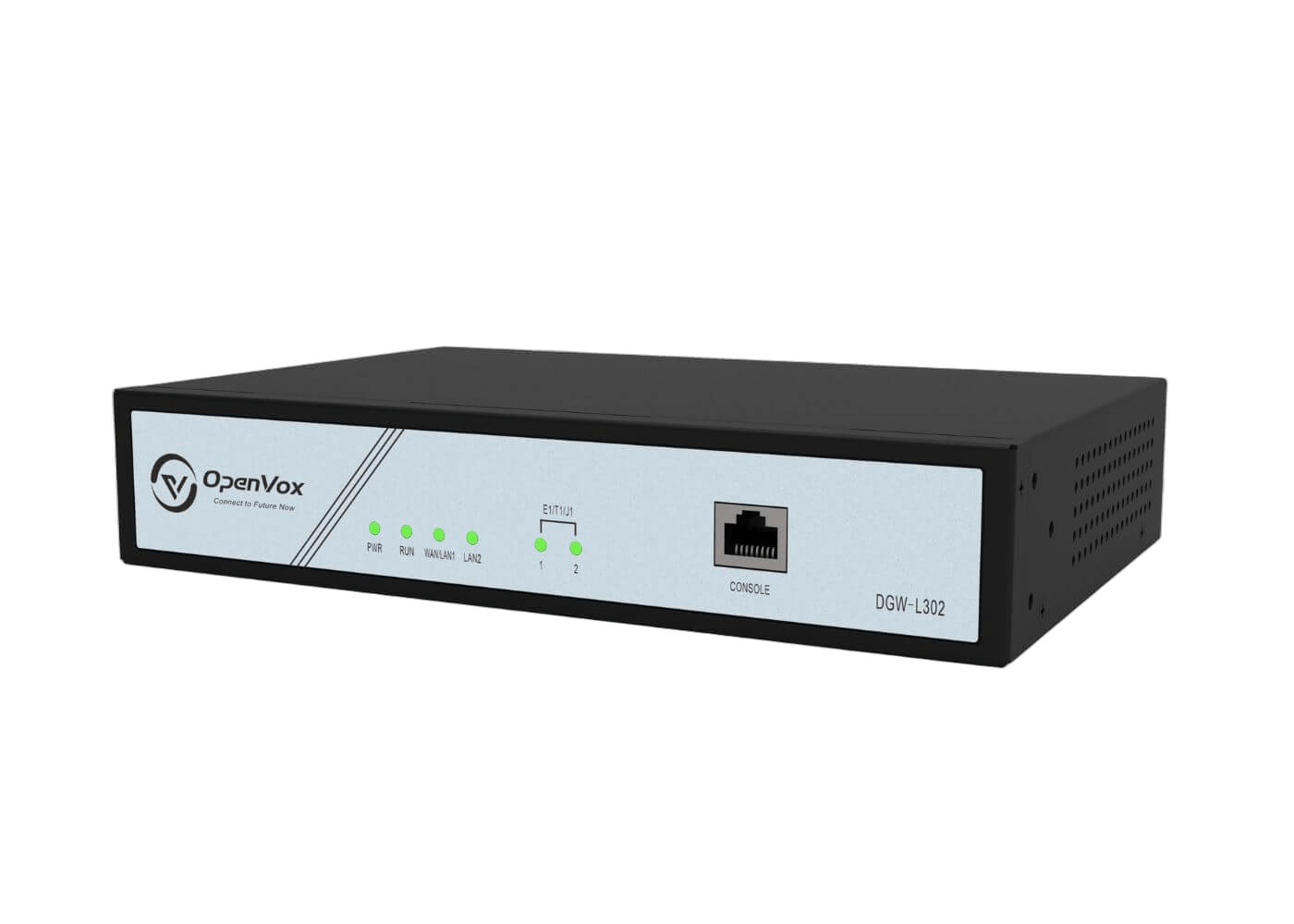
Service providers need flexible access resources without losing clarity across routing, customer transition, and operational support. The architecture organizes users or service workflows, the OpenVox communication edge, and the upstream voice or application environment into one operating model.
Keep topology, OpenVox access resources, and operational responsibility visible in one deployment model.
Block 01
Map operator gateway access and service boundary to the communication environment before hardware selection.
Block 02
Use OpenVox gateway and voice resources to connect endpoints, trunks, applications, or service platforms.
Block 03
Document support ownership, validation steps, and service expectations before wider deployment.
A formal deployment should move from scenario mapping to controlled validation before scaling the service.
Document user groups, service boundaries, existing voice systems, and network constraints.
Choose the gateway, platform, and endpoint pattern that matches the approved communication design.
Pilot the call flow, message flow, routing behavior, or service boundary before broad rollout.
Launch only after support ownership, monitoring expectations, and change control are documented.
The best outcome is not only remote reachability, but a cleaner operating model for branch consistency, user support, and centralized telephony governance.
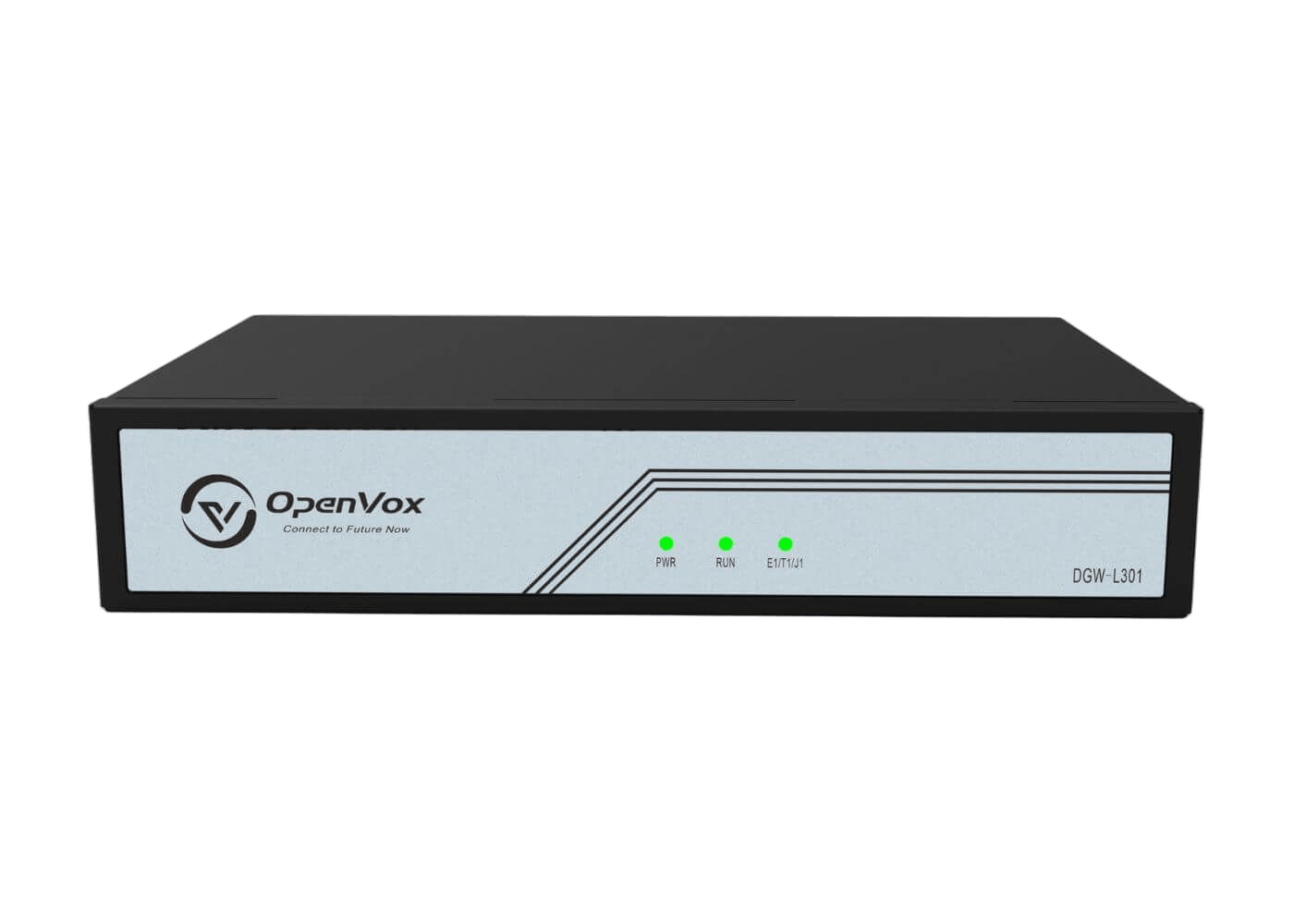
The recommended stack should connect the scenario requirement to the OpenVox access layer and the operational workflow that keeps the service stable.
Role 01
Provides the primary OpenVox communication edge for the scenario. Best for provider voice access that need a defined access or interconnection layer.
Role 02
Connects endpoints, trunks, applications, or service platforms according to the approved topology. Best for deployments where product selection must follow the communication architecture.
Role 03
Owns validation, monitoring, escalation, and change control after deployment. Best for production environments that need accountable day-two operation.
Compare OpenVox access and gateway families for the operator-side voice edge.
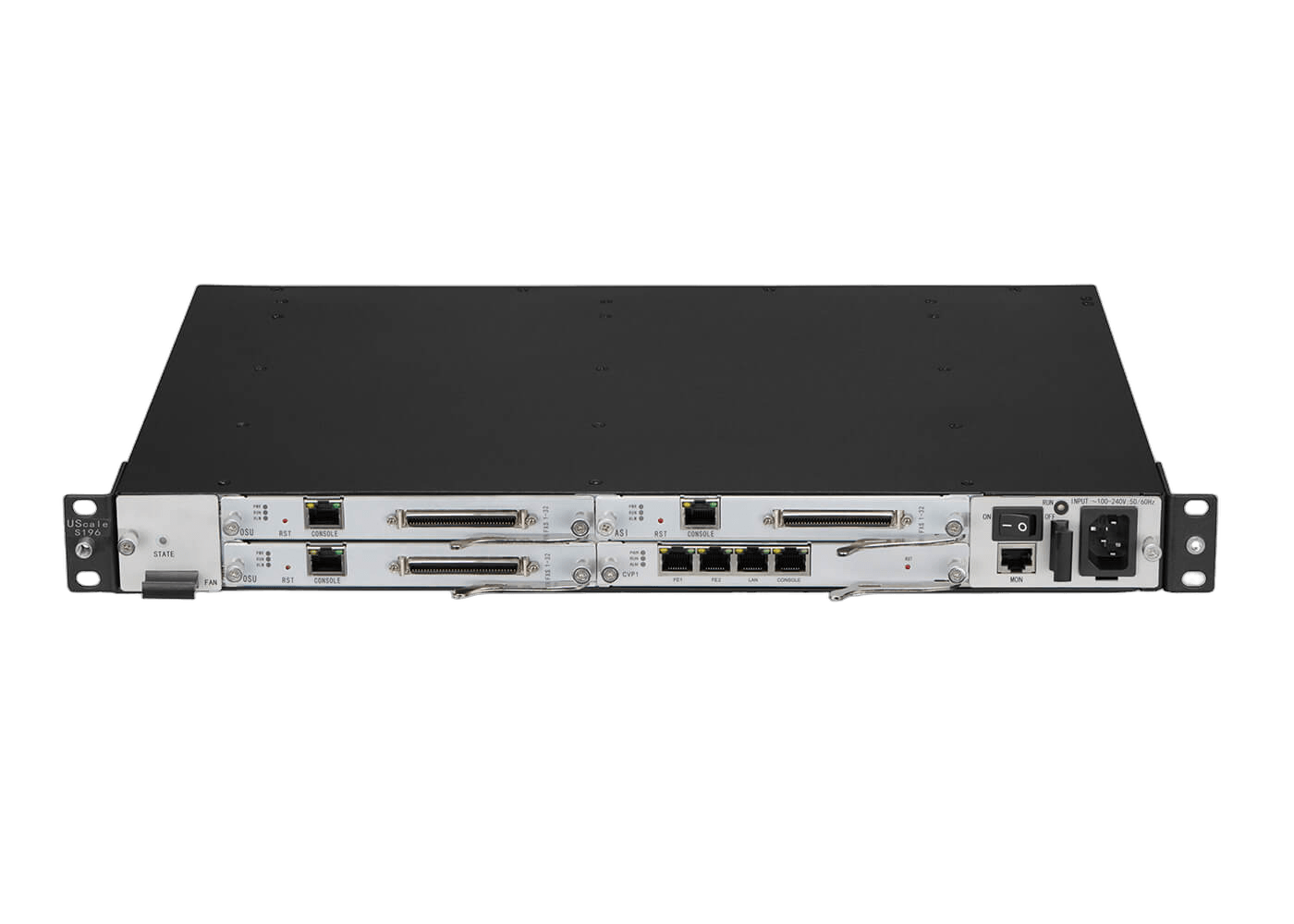
96 FXS integrated access device for medium-density analog endpoint migration.
View product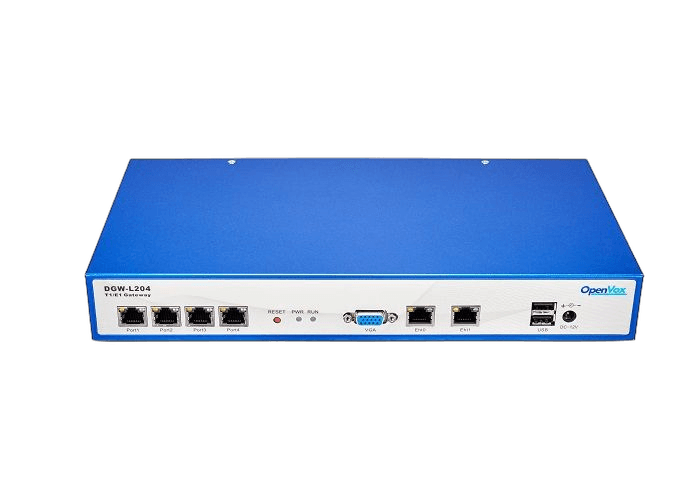
Linux-based E1/T1/PRI VoIP gateway with 1, 2, or 4 selectable spans, up to 120 concurrent calls, and flexible SIP routing.
View product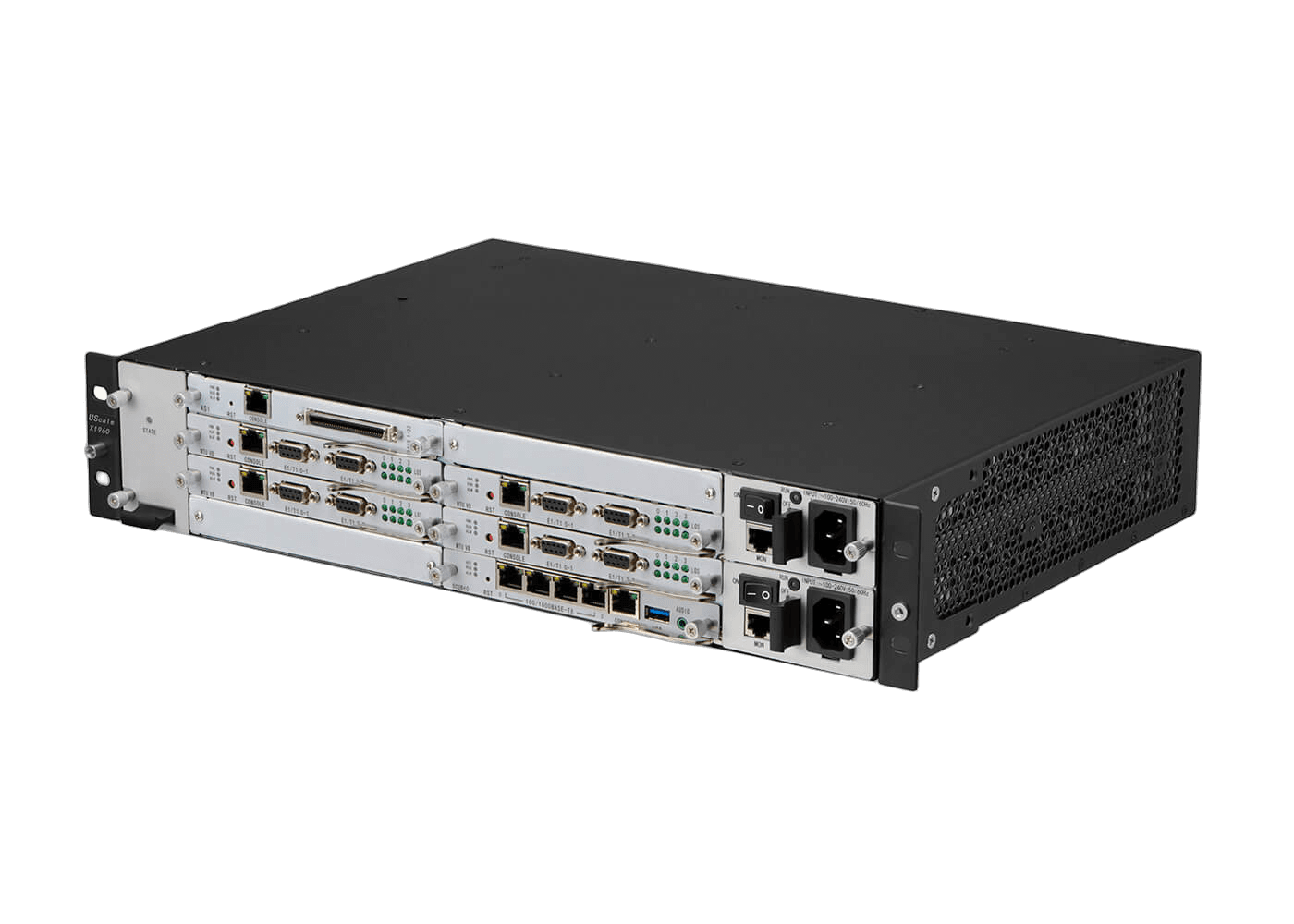
The UScale X1960 is a core voice switching equipment for communication solutions, targeting businesses with up to 1000 users.
View productBring the operator topology, access method, routing boundary, and service ownership requirements into an OpenVox solution review.