
Local business calling
Provide staff extensions, transfers and external calling at a store.
Give stores and central teams a shared extension model while preserving the local voice access each location needs.
The store network challenge
Stores may use different lines, phone types and local arrangements while central teams still need consistent reachability and management.
A repeatable voice design separates the shared calling model from the local access and continuity choices required at each store.
Provide staff extensions, transfers and external calling at a store.
Connect central support and store teams through the shared extension plan.
Retain a suitable analog line or introduce SIP according to the location.
Assess cellular voice as a defined backup role where coverage and policy allow.
Shared network, local roles
Distributed UCP links central and store systems, while gateways provide the local trunk or endpoint access selected for each location.
Shared operations and call plan
Local staff and service phones
SIP, analog or cellular trunk role
Intersite calling and management
A common design reduces variation, but site surveys still confirm local lines, networking, coverage and endpoint needs.
Set extension, permission, routing and management requirements.
Record trunks, phones, coverage and local constraints.
Choose the approved access and continuity roles for each store type.
Test local, external and intersite calls before repeating the pattern.
The estate design may combine UCP, analog gateways and cellular gateways according to store requirements.
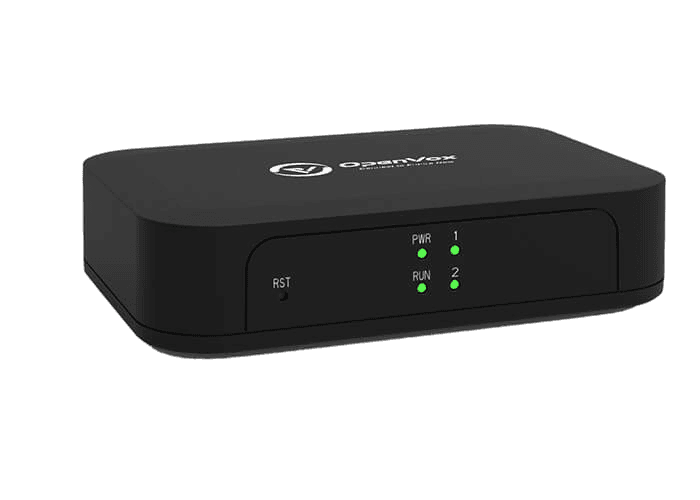
Compact 2-port FXS gateway for connecting analog phones and fax endpoints to SIP-based voice platforms in small offices, retail sites, and SOHO deployments.
View product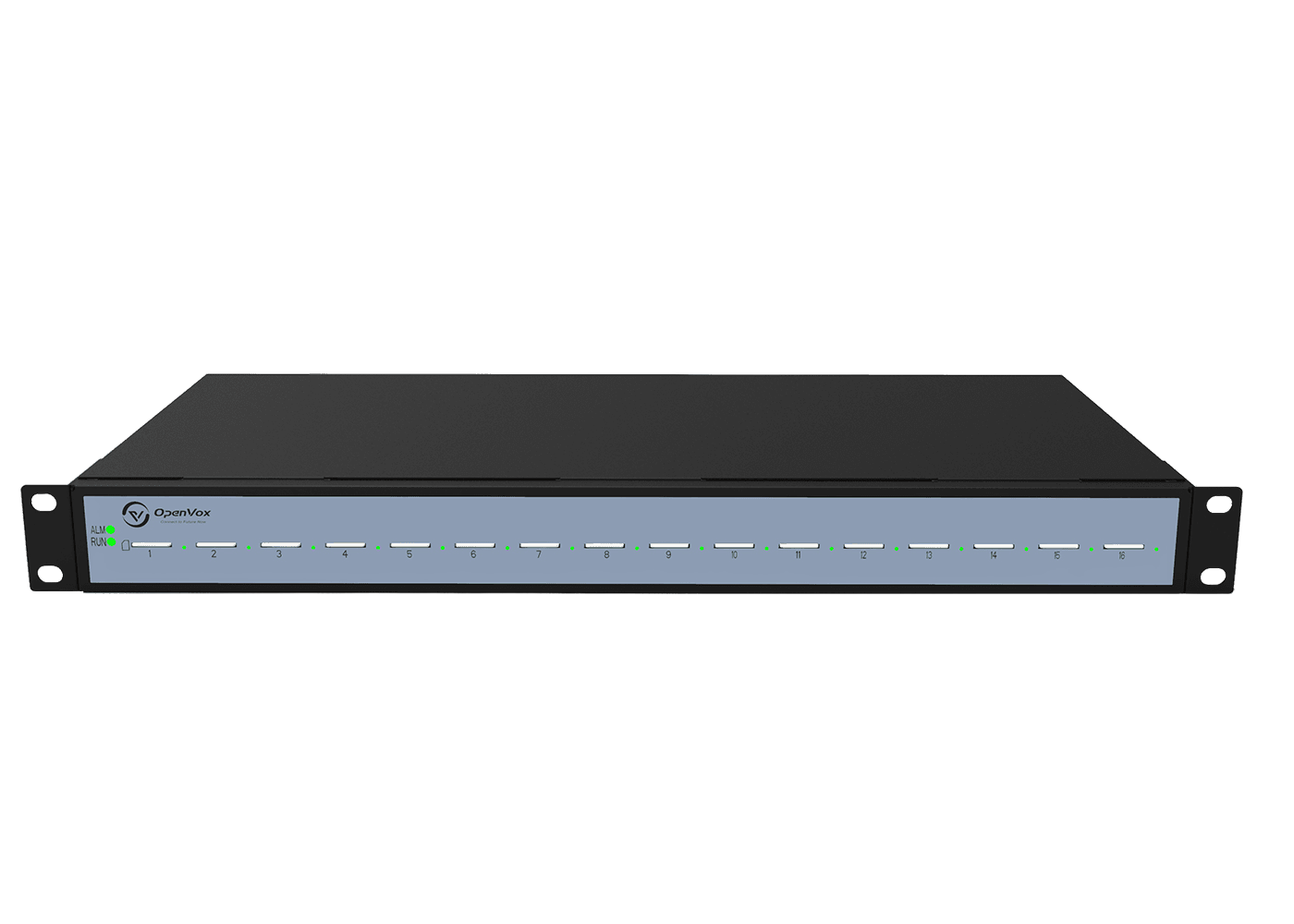
16-channel GSM/LTE wireless gateway for higher-capacity mobile voice and SMS integration with SIP networks.
View product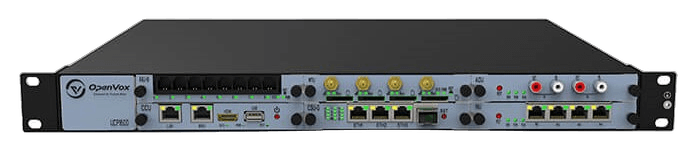
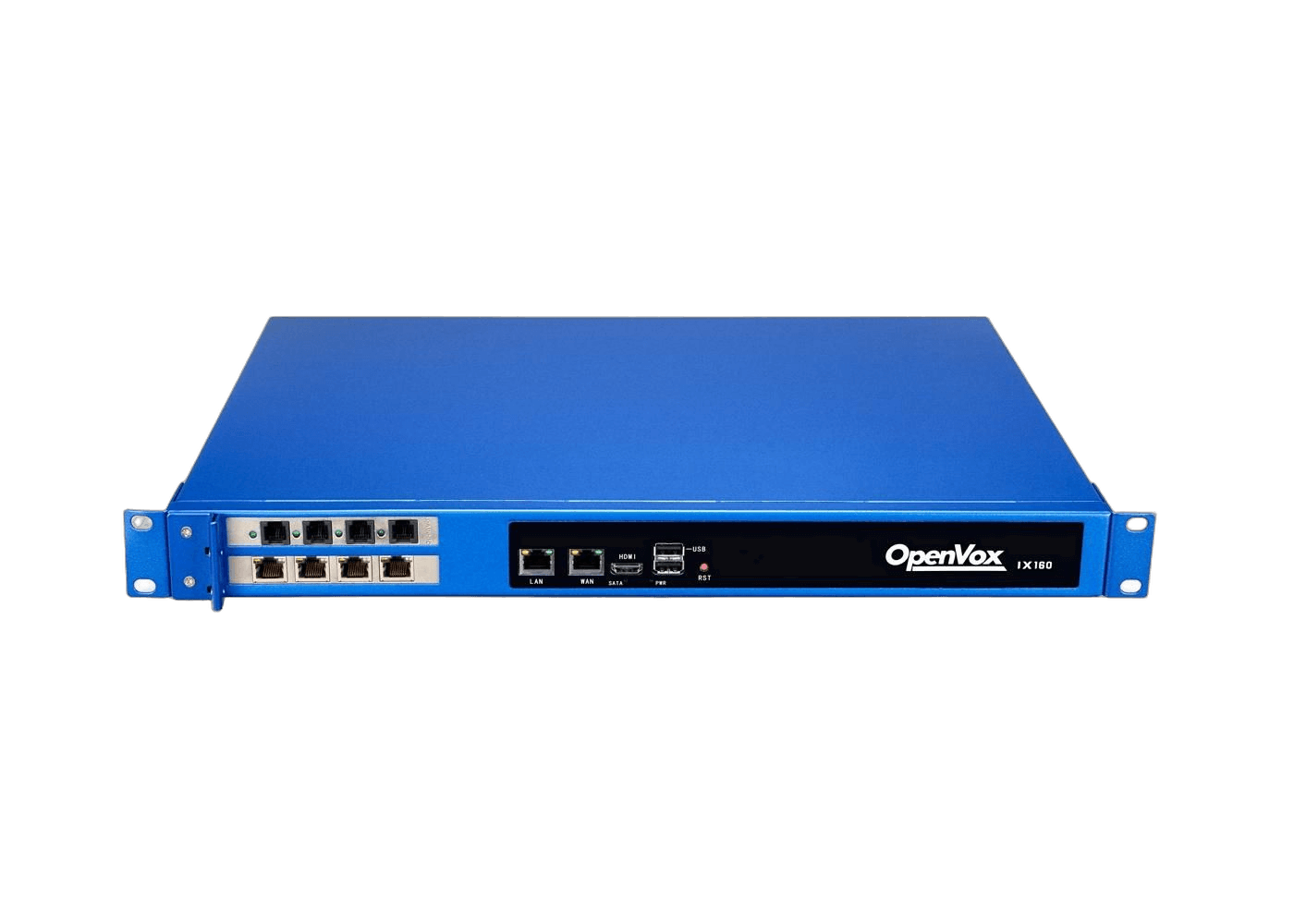
Unified Communication Platform (UCP) is the ideal solution to integrate data, voice and video in one product for small and medium-sized enterprises, which can be used in scenarios such as government and enterprise call systems, commercial call centers, and dispatch center industries.
View productNo retail-specific customer case or quantified business outcome is claimed.
UCP supports distributed networking, centralized operations and SIP interconnection.
UCP documents transfer, forwarding, pickup, number analysis and permission functions.
OpenVox FXS and FXO gateways support different analog access roles.
Cellular channels can be assessed as primary or backup trunks for selected stores.
Share store count, site types, users, current lines, endpoint requirements and continuity priorities. OpenVox can help define the standard and local variants.