
Central administration
Coordinate extensions, permissions and intersite calling from the shared voice design.
Create a shared voice plan for central offices, departments and local sites while retaining required phones, PBXs and trunk access.
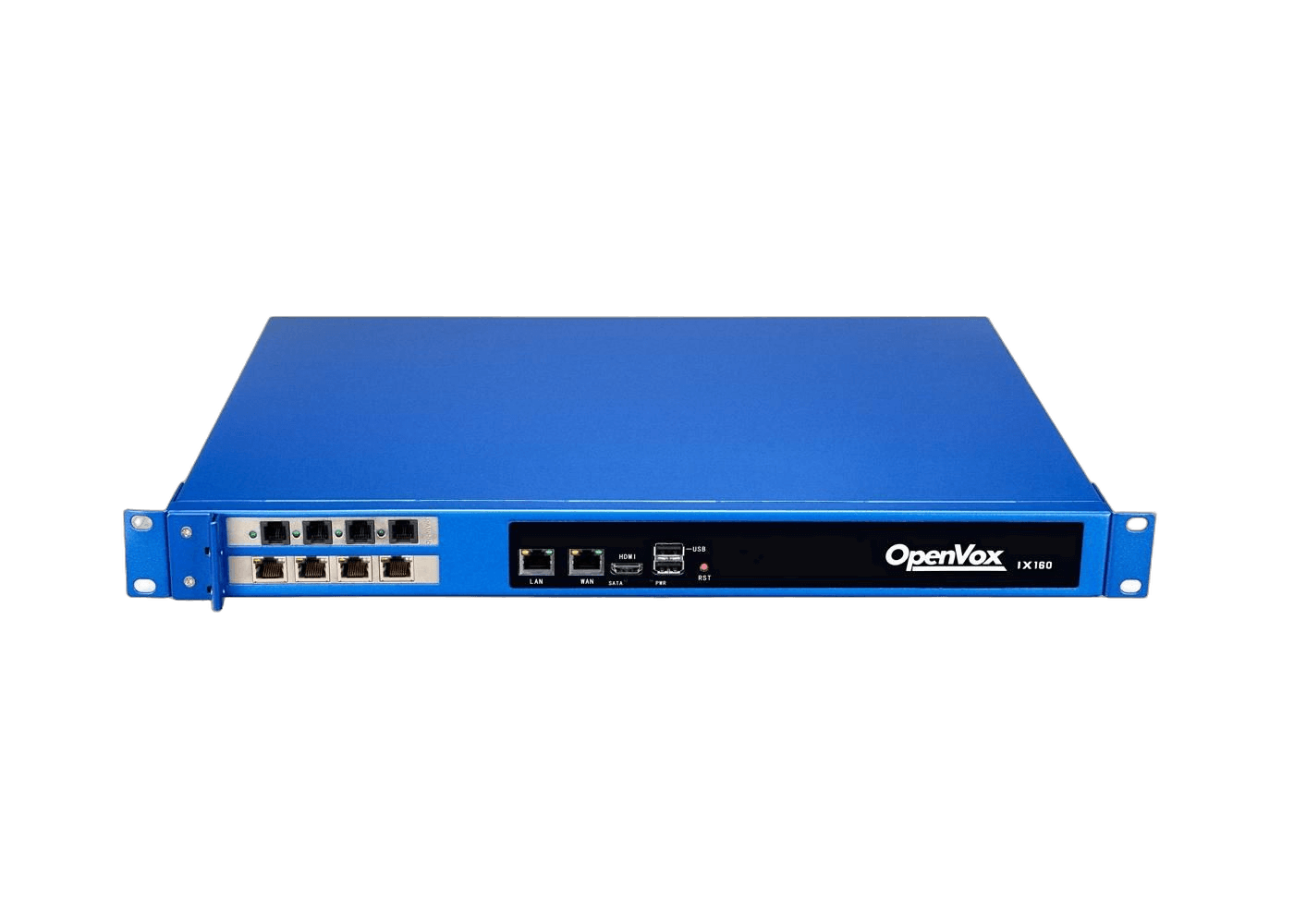
The public-sector estate
A central office, department and local service site may not share the same PBX, trunks, phones or network readiness.
A phased design connects these environments through distributed UCP and SIP while assigning explicit local roles to analog, digital and cellular access.
Coordinate extensions, permissions and intersite calling from the shared voice design.
Connect local users while retaining the approved access for that building.
Use analog or digital interworking during a phased modernization.
Define local trunks and qualified continuity behavior for each office.
Facility voice roles
Distributed UCP provides intersite communication, SIP connects voice systems and gateways bridge the local analog or digital estate.
Shared policy and call management
Distributed extensions and local users
PBXs, analog phones and digital trunks
Model-specific or alternate path design
The design documents each site, the systems being retained and the acceptance criteria for intersite and local calls.
Record users, PBXs, phones, trunks and local constraints.
Set numbering, routing, permissions and management responsibilities.
Assign SIP, analog, digital and continuity roles per location.
Test local, external and intersite calls before each rollout step.
Product choice follows site count, legacy interfaces, current trunks and the continuity behavior approved for the project.
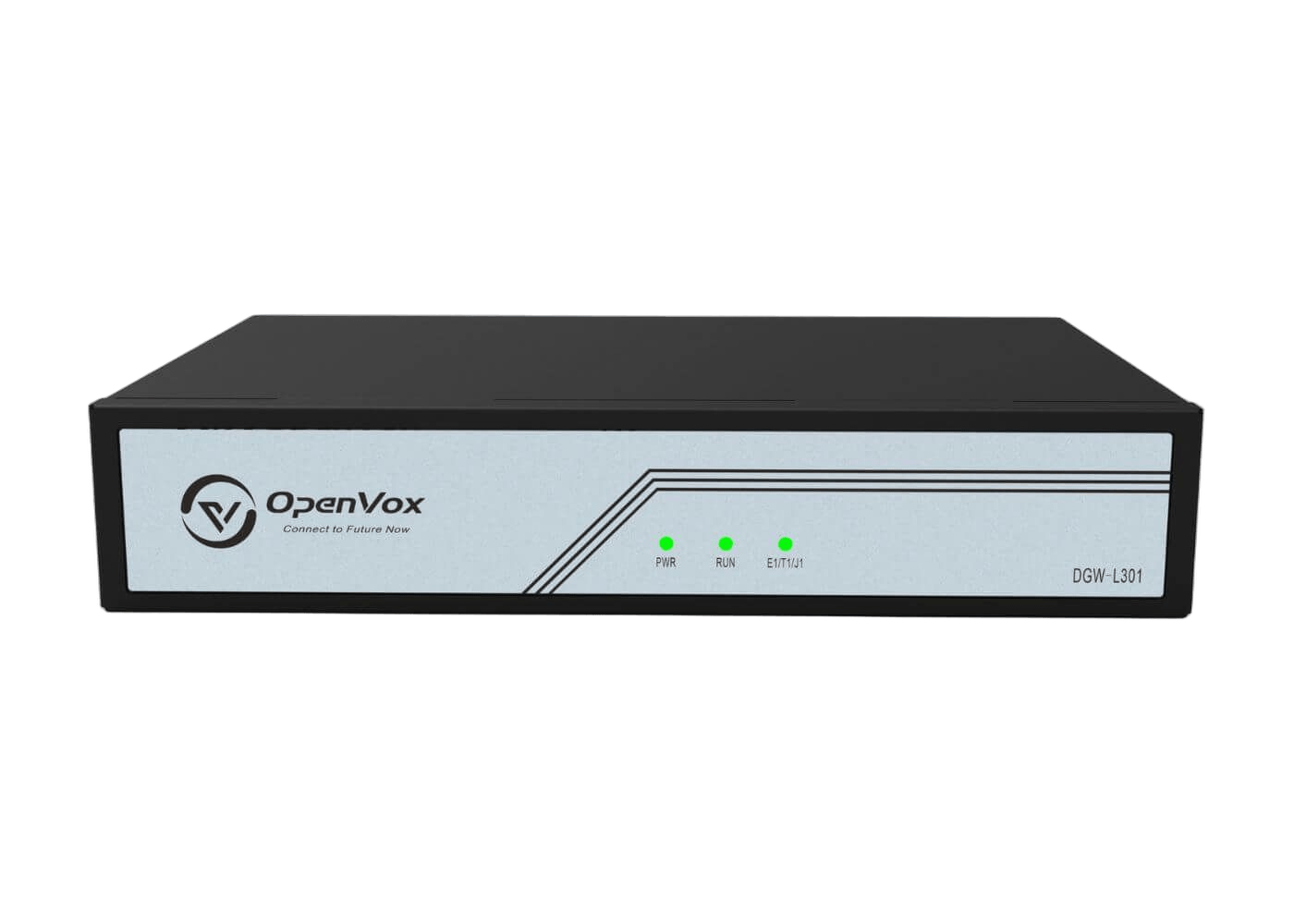
Single-span E1/T1/PRI VoIP gateway for connecting one digital trunk to SIP networks with up to 30 concurrent calls.
View product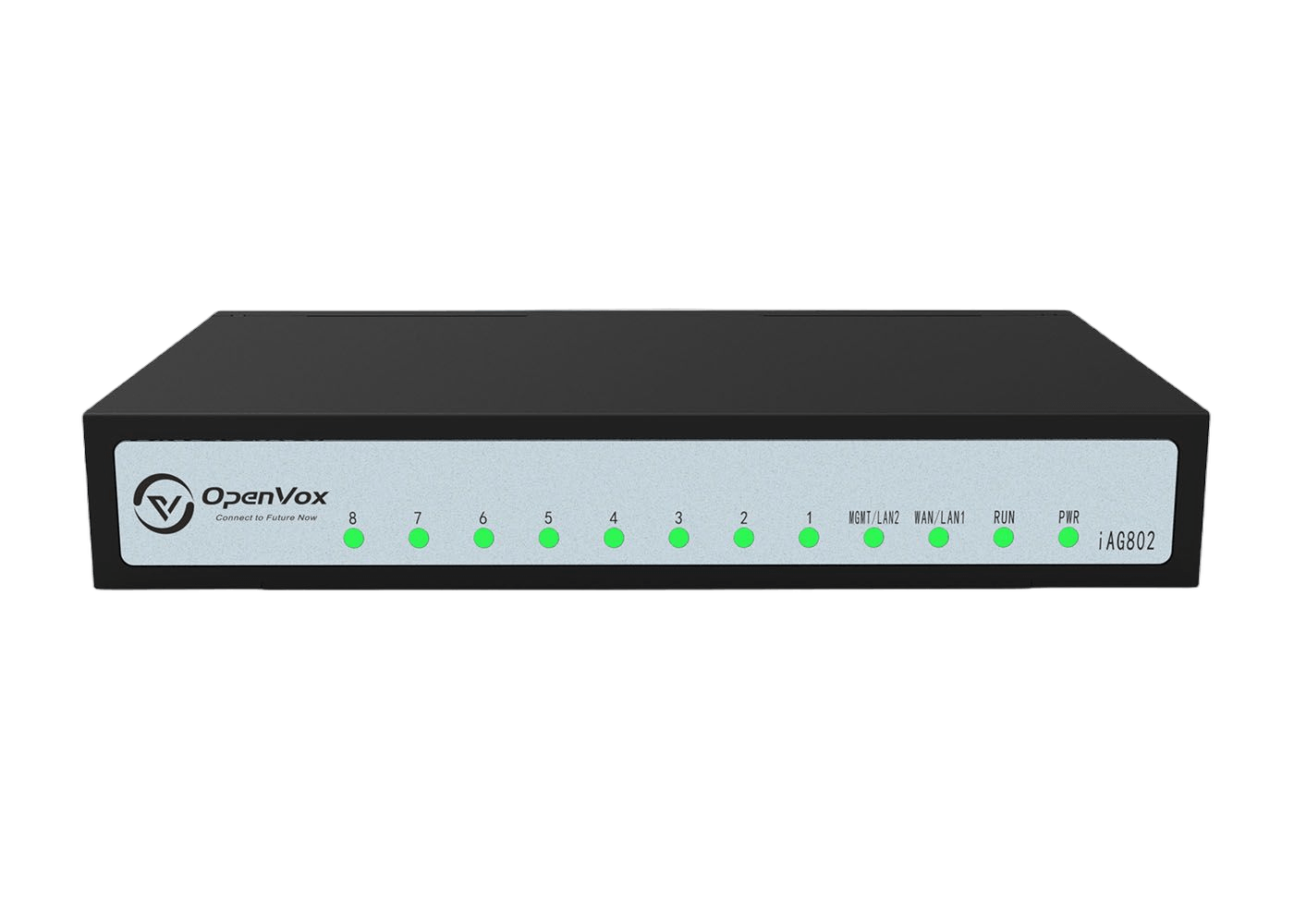
8-port FXS gateway for connecting analog phones and fax devices to SIP platforms with concurrent voice and fax processing.
View product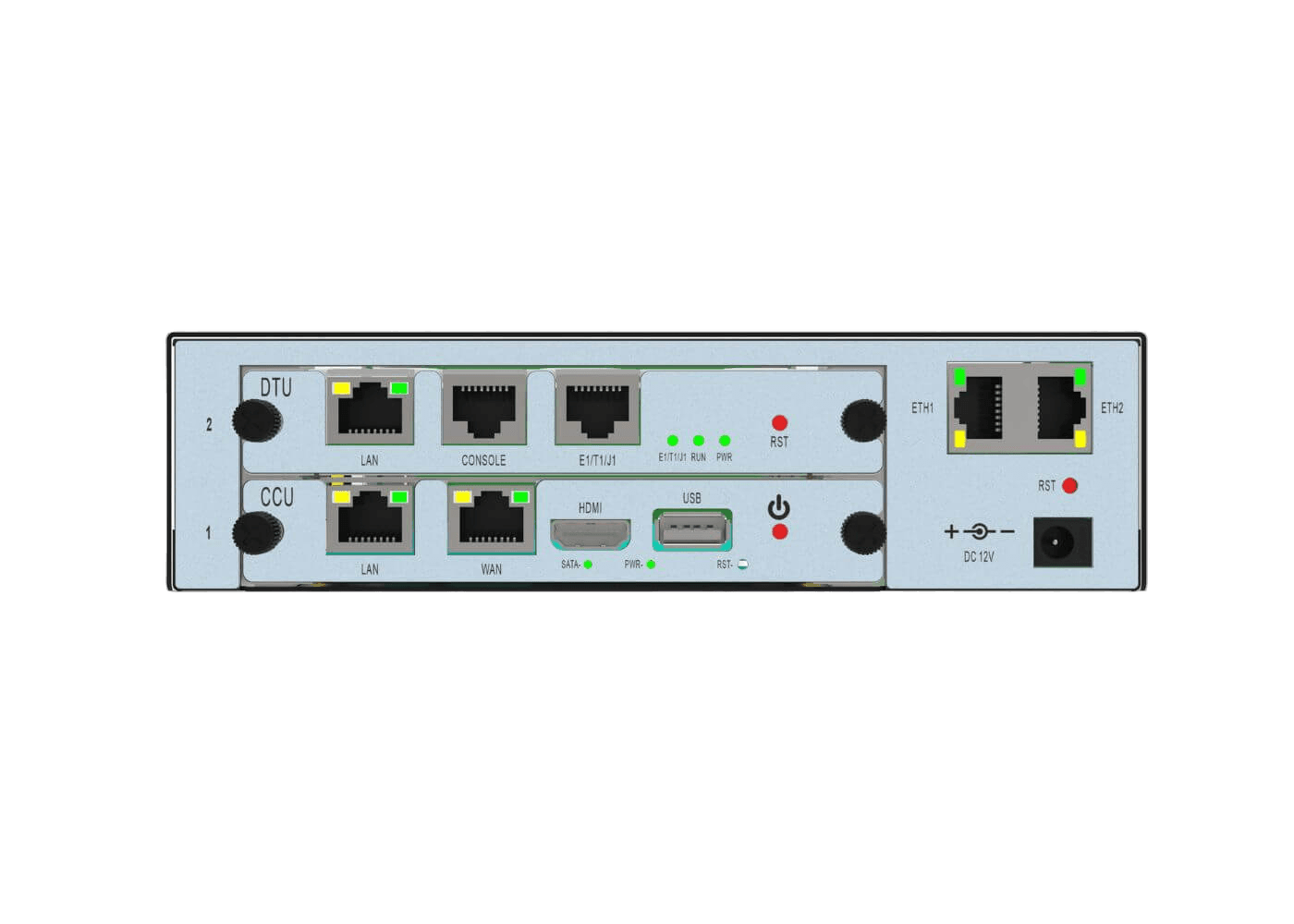
Unified Communication Platform (UCP) is the ideal solution to integrate data, voice and video in one product for small and medium-sized enterprises, which can be used in scenarios such as government and enterprise call systems, commercial call centers, and dispatch center industries.
View productNo government certification, public-safety or regulated emergency-service claim is made.
OpenVox documents headquarters, branch and multi-building voice networks.
UCP can interwork with PSTN and TDM PBXs through documented analog or digital trunks.
Standard SIP trunks connect documented IP-PBX, softswitch and IMS environments.
Redundancy and alternate path behavior is assessed by model and topology.
Share sites, departments, current PBXs, phone types, trunks, management responsibilities and continuity priorities. OpenVox can help define the rollout architecture.