
Calling where fixed lines are unavailable
Use a cellular trunk as the main external voice path for a qualified site.
Connect GSM, WCDMA or LTE voice channels to a PBX for rapid site deployment, local mobile access or an alternate calling path when fixed lines are unsuitable.
When fixed lines do not fit
Temporary locations, remote sites and fast branch openings may face unavailable fixed lines, long provisioning cycles or a need for another route.
An OpenVox cellular gateway presents mobile voice channels to the PBX, allowing the project to define them as a primary, supplemental or backup calling path.
Use a cellular trunk as the main external voice path for a qualified site.
Assign cellular channels to a particular call type, location or operating requirement.
Route selected calls through cellular voice when the primary trunk cannot serve them.
Establish calling while the longer-term site and carrier design is still being completed.
Cellular-to-SIP path
The gateway connects to the cellular network on one side and the SIP or PBX environment on the other, with capacity and routing determined by the project.
GSM, WCDMA or LTE voice service
Cellular channels and SIP trunk presentation
Routing, extensions and business calling
Office, branch or temporary-site phones
SWG and GWP gateway families or UCP wireless modules can provide cellular voice channels according to capacity and system architecture.
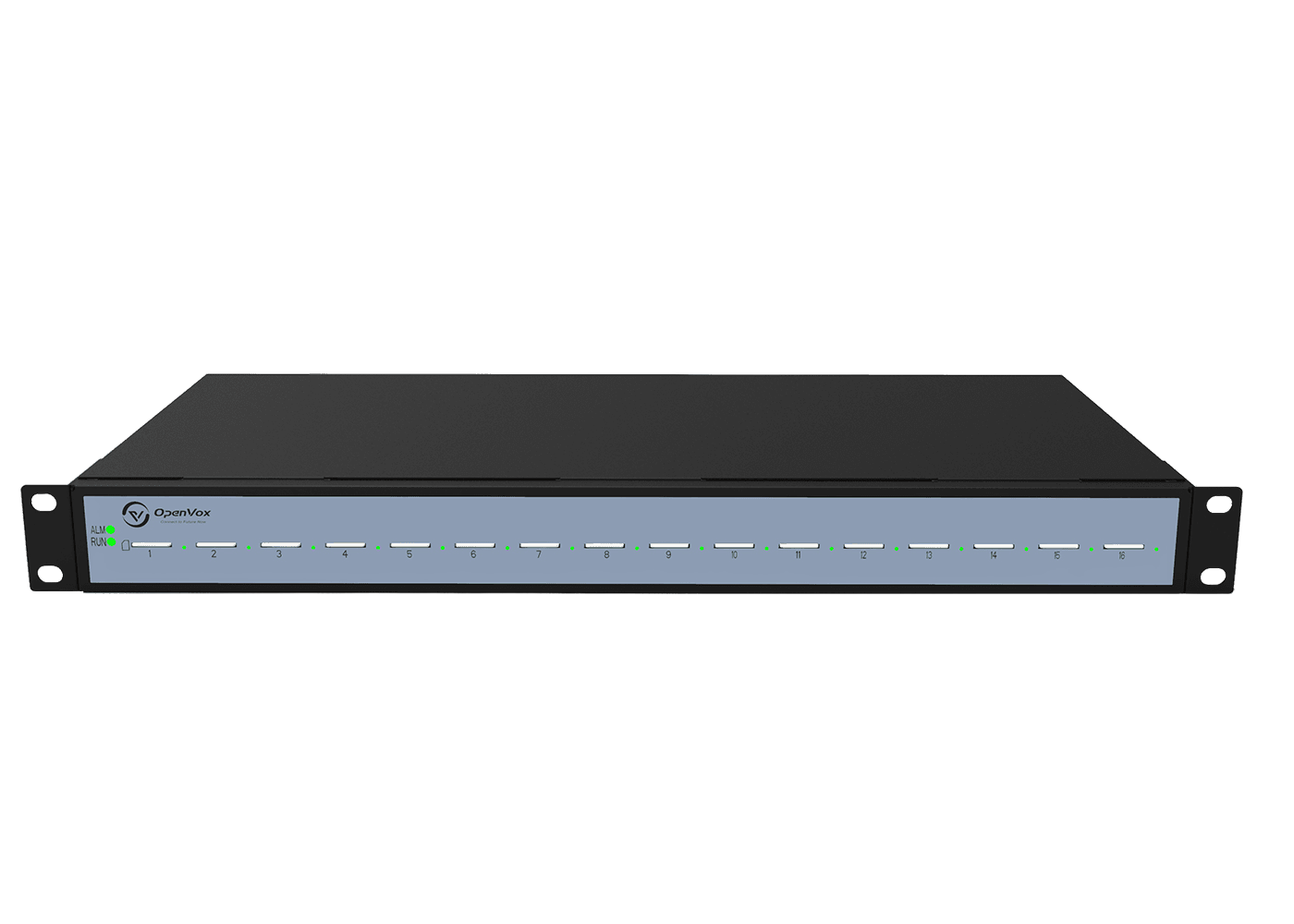
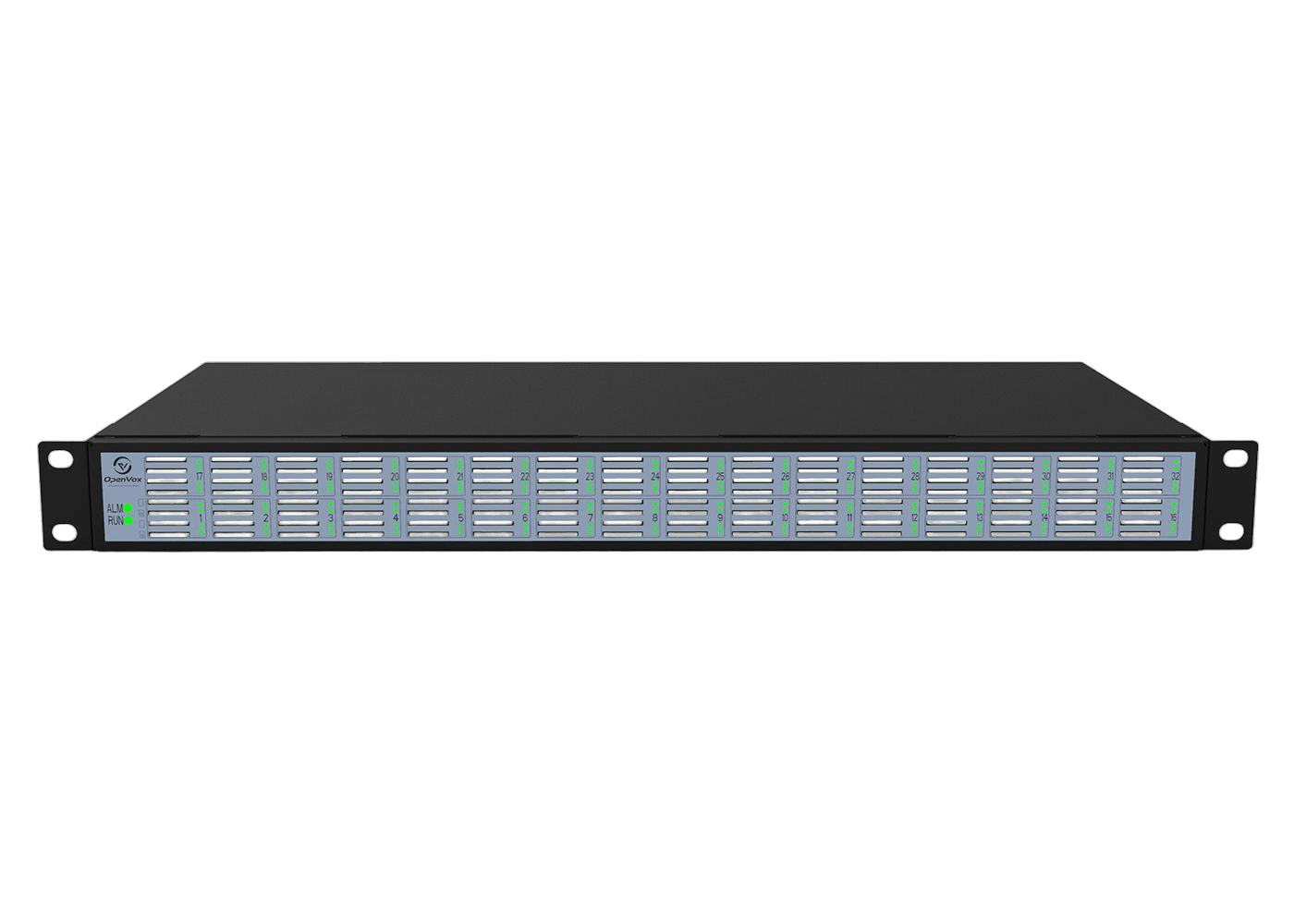
16-channel GSM/LTE wireless gateway for higher-capacity mobile voice and SMS integration with SIP networks.
View product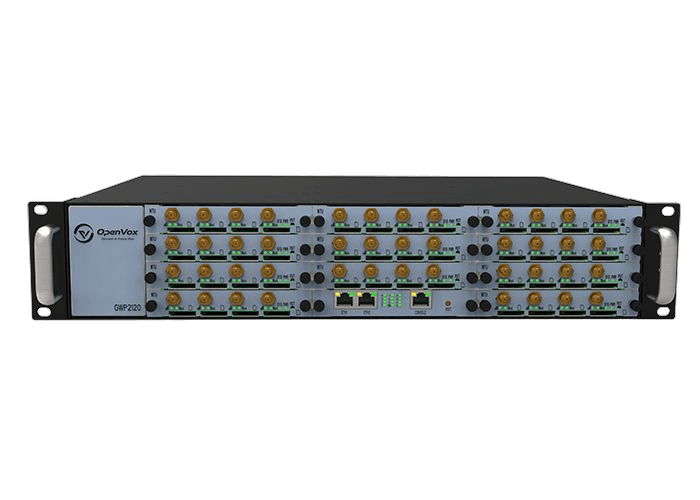
High-density GSM/WCDMA/LTE wireless gateway for scaling mobile-to-VoIP interconnection with secure web management and SIP routing.
View product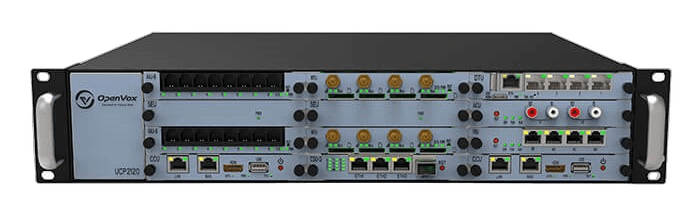
Unified Communication Platform (UCP) is the ideal solution to integrate data, voice and video in one product for small and medium-sized enterprises, which can be used in scenarios such as government and enterprise call systems, commercial call centers, and dispatch center industries.
View productOperator approval, connection rate and cost outcomes remain outside the stated solution scope.
OpenVox cellular gateway and UCP module documentation covers mobile voice access.
Documented deployments use wireless voice as a main or alternate trunk path.
Cellular channels connect to the calling environment through a defined SIP or platform role.
SIM, numbering, routing and local operator rules remain part of project assessment.
Share the location, operator, expected simultaneous calls, PBX, number requirements and primary or backup role. OpenVox can help map gateway capacity and SIP routing.