
A control component fails
Use supported primary/standby behavior on selected UCP models.
Build layered voice continuity with selected UCP redundancy options, multiple SIP service paths and a qualified alternate trunk design.
The interruption risk
A controller, complete system, SIP service or carrier trunk can interrupt different parts of the calling environment.
A credible high-availability design separates these failure layers and assigns a verified OpenVox mechanism to each one instead of making one universal uptime promise.
Use supported primary/standby behavior on selected UCP models.
Assess dual-system or distributed design according to the required service scope.
Use documented multiple-server registration where the gateway and service design support it.
Route defined traffic through a qualified alternate trunk when available.
Protected behavior
Selected UCP models provide redundancy-related options, OIAD gateways can register to multiple SIP servers, and cellular channels can provide an alternate trunk role.
Identify users, numbers and external routes that require continuity.
List controller, node, SIP and carrier failure scenarios.
Match model-specific redundancy and alternate path options.
Validate call behavior during failure and recovery before production use.
The final architecture may use UCP redundancy, multi-SIP gateway registration and wireless trunk backup in different combinations.
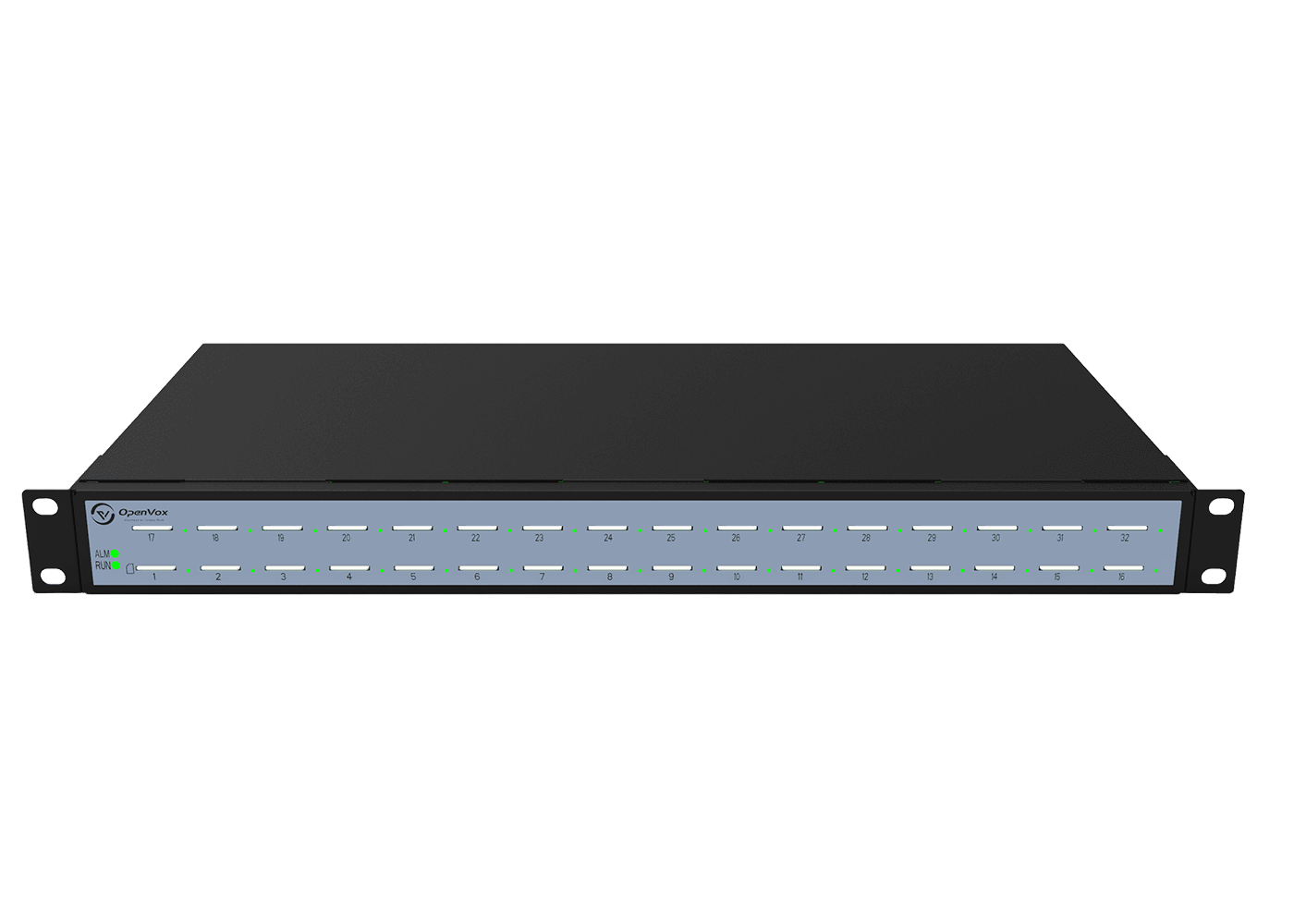
32-channel GSM/LTE wireless gateway for dense mobile voice, SMS, and SIP trunking deployments.
View product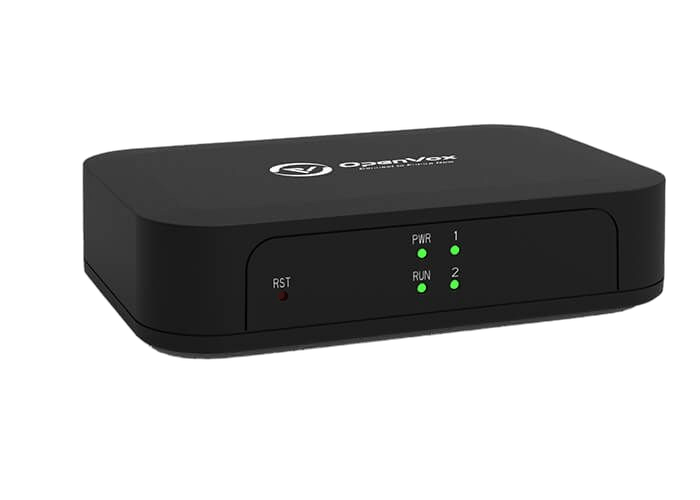
Compact 2-port FXS gateway for connecting analog phones or fax devices to SIP-based communications in SMB and SOHO deployments.
View product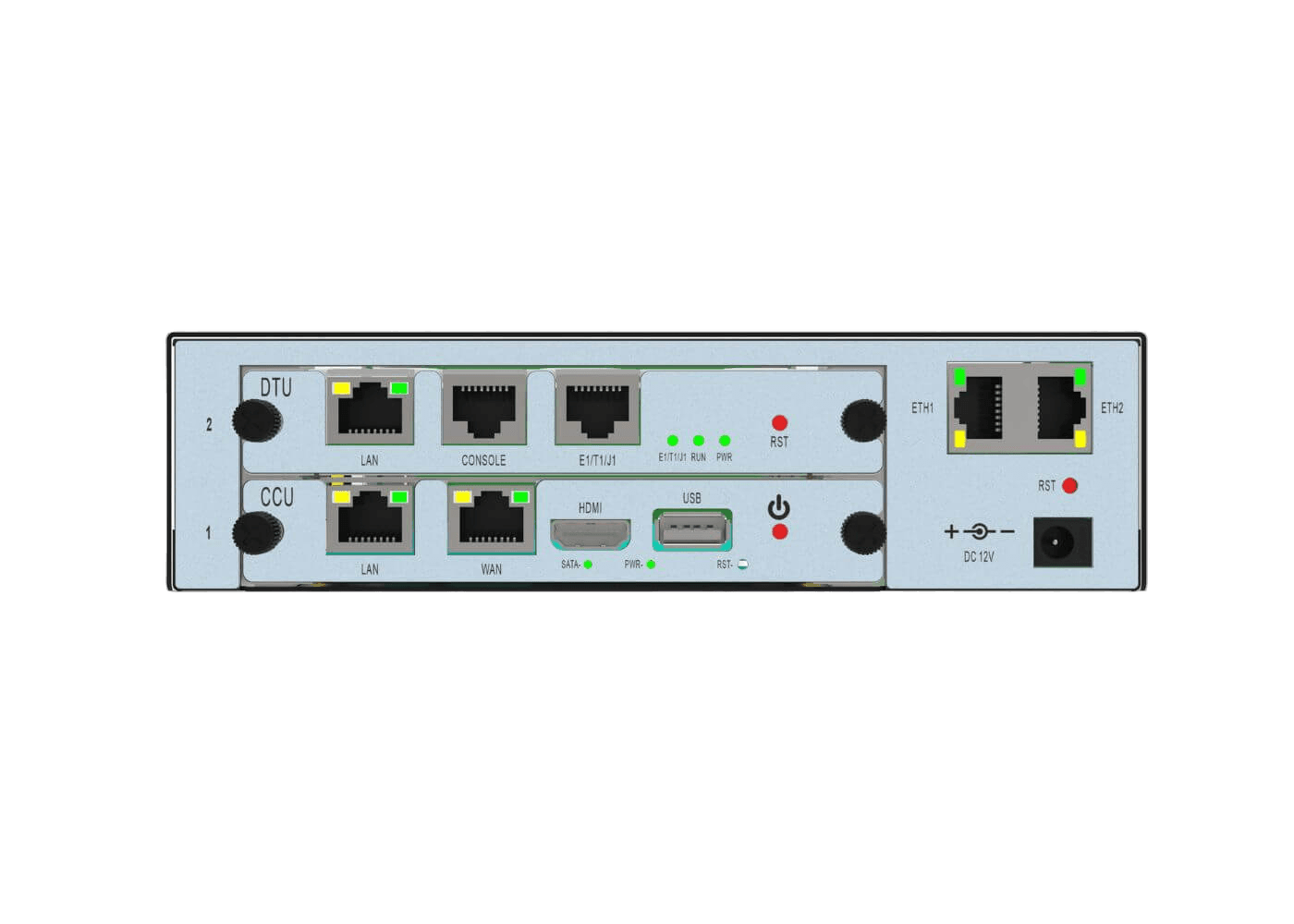
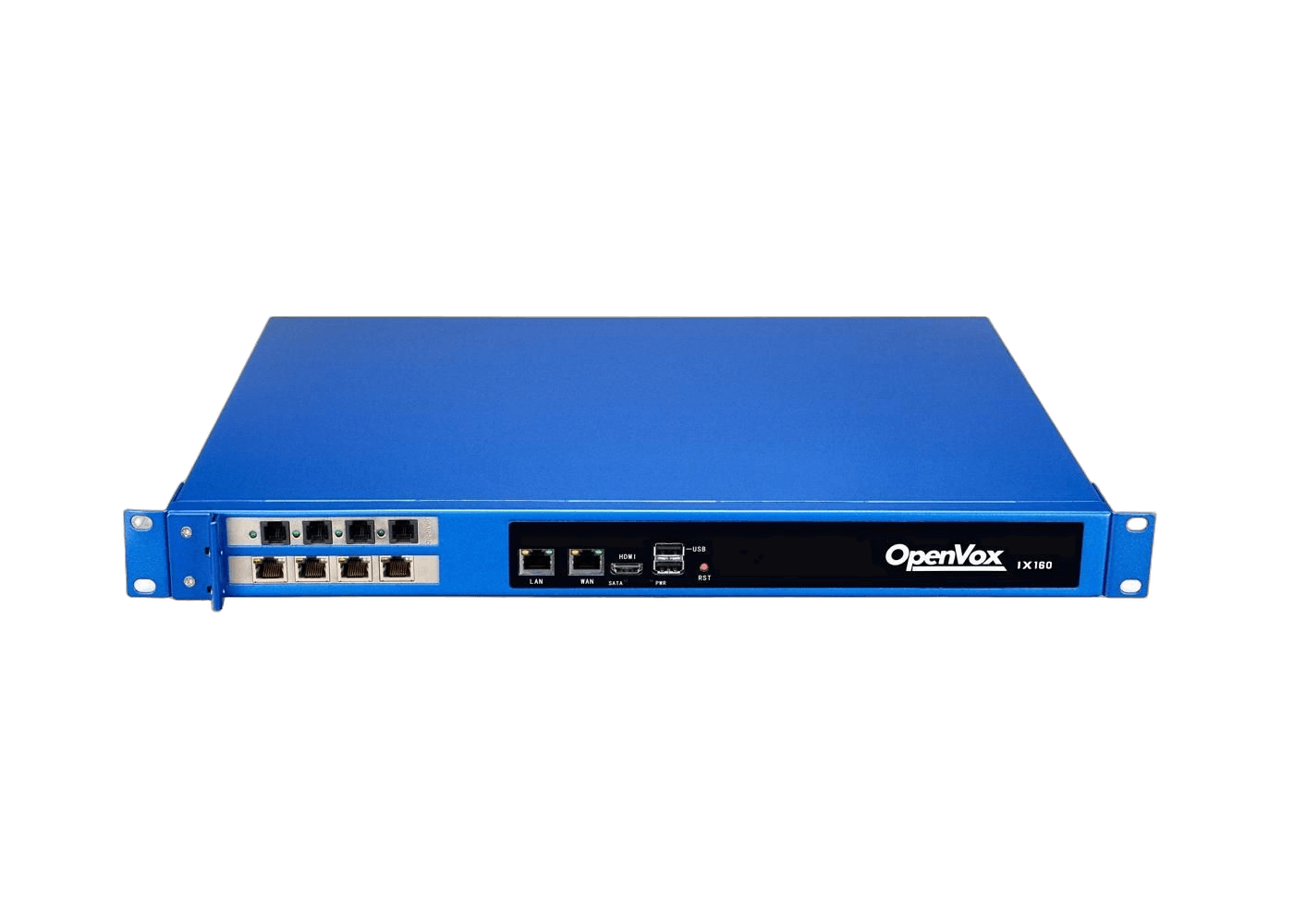
Unified Communication Platform (UCP) is the ideal solution to integrate data, voice and video in one product for small and medium-sized enterprises, which can be used in scenarios such as government and enterprise call systems, commercial call centers, and dispatch center industries.
View productNo universal zero-downtime, RPO or RTO promise is made.
OpenVox documentation identifies controller, dual-system and power options on selected UCP models.
OIAD guidance documents registration to more than one SIP server.
OpenVox case material includes wireless trunk backup in defined UCP deployments.
Actual call preservation and transition behavior must be verified for the chosen model and topology.
Share critical users and numbers, current UCP or PBX, SIP providers, trunk paths and expected failure behavior. OpenVox can help map model-specific protection layers.