
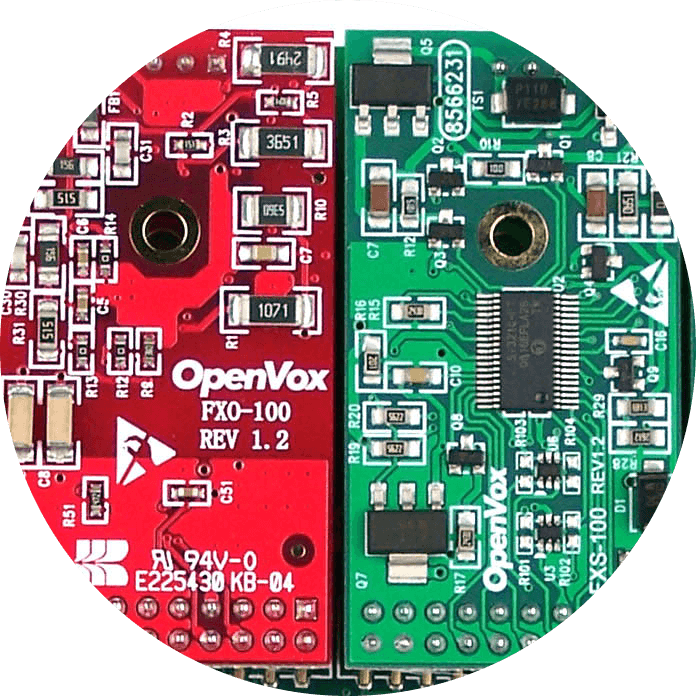
 FXS100 / FXO1001-port modules for A400 builds
Use these modules for compact A400 deployments that need a small number of FXS, FXO, or mixed analog ports.
Add PCIe analog telephony cards to a standard Asterisk PBX server, enabling direct connection to analog phones, fax devices, PSTN lines, and legacy PBX trunks without deploying a separate analog gateway.
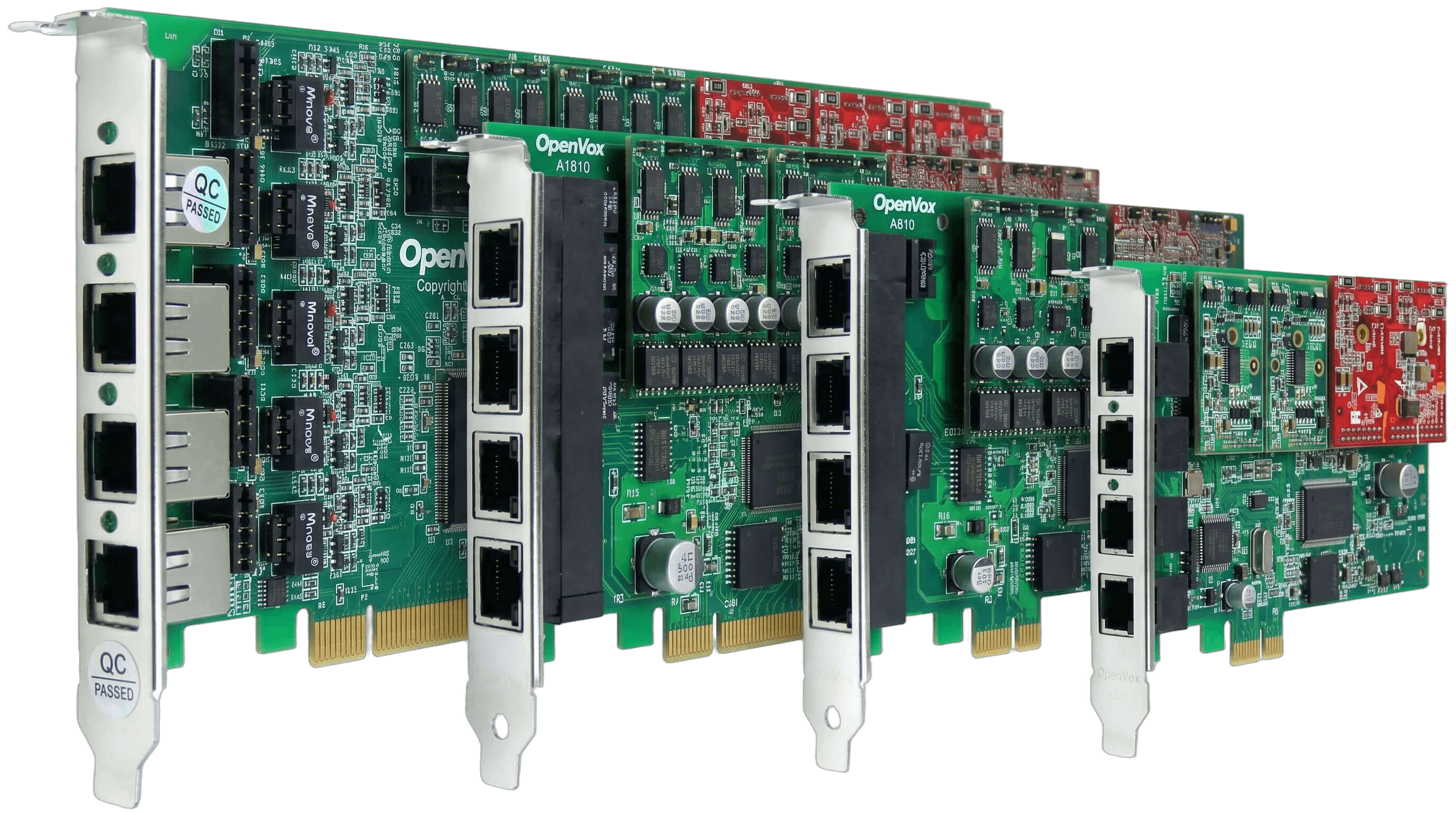
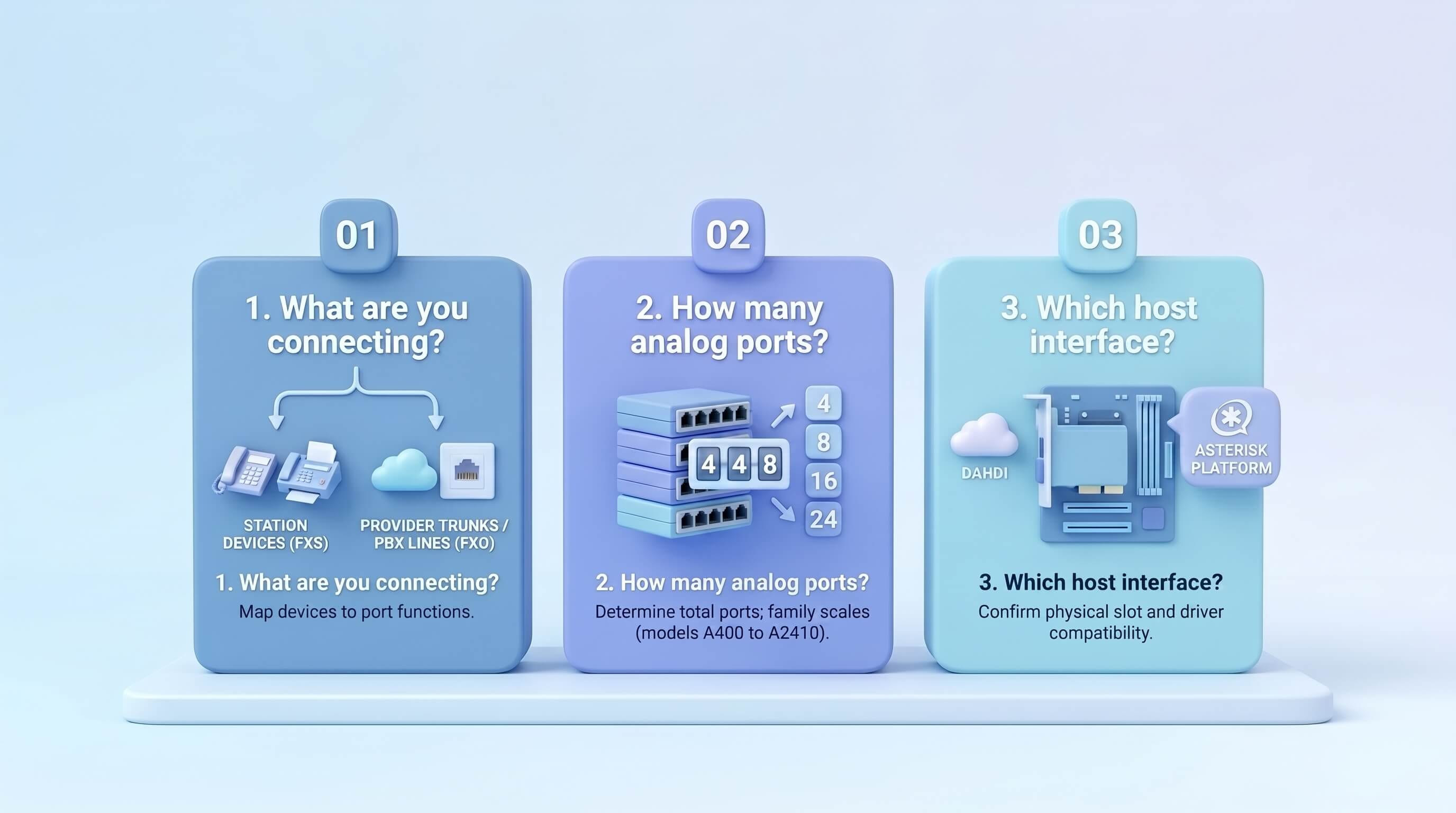
Classify every copper line before choosing a model. Station devices need FXS, outside lines need FXO, and mixed sites should document both counts.
After the line role is clear, check the hardware pieces that decide install fit: module family, port count per module, bus type, power input, and optional echo cancellation.
FXS100 / FXO1001-port modules for A400 buildsUse these modules for compact A400 deployments that need a small number of FXS, FXO, or mixed analog ports.
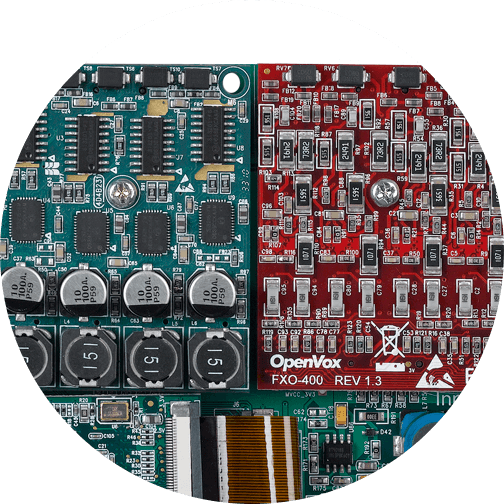 FXS400 / FXO4004-port modules for higher-density cards
Use these modules with A810, A1610, and A2410 when the deployment requires more analog ports per card.
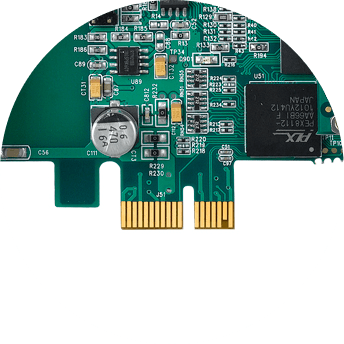 PCIe host interfaceModern motherboard default
Use PCIe for current server boards; choose PCI only for older PCI-only platforms.
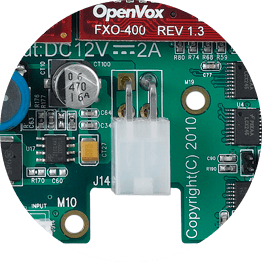 Card power connectorPower input confirmation
Check card power input and available server leads before finalizing the configuration.
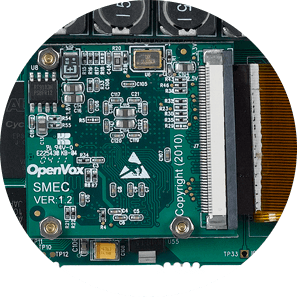 HWEC hardware echo cancellationHardware DSP echo processing
Add HWEC when the deployment needs dedicated echo handling on the card.
Select the card by total analog port requirement and module type. A400 fits compact systems, A810 supports branch expansion, A1610 covers denser wiring plans, and A2410 reaches the largest A-series analog capacity.
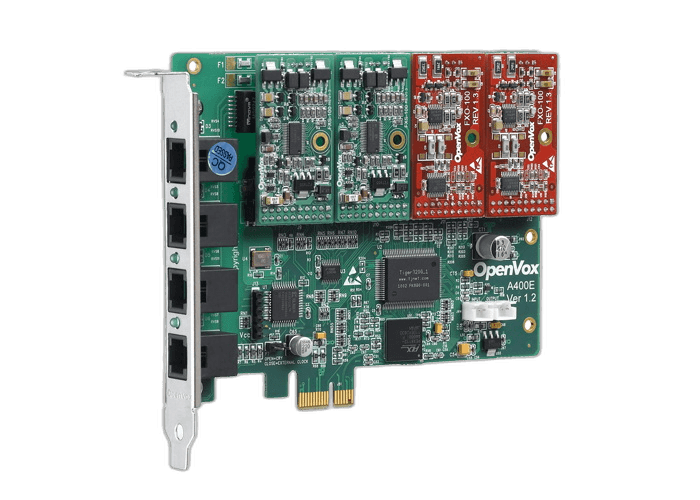
Telephony card model
Compact A-series option for small FXS, FXO, or mixed analog builds.
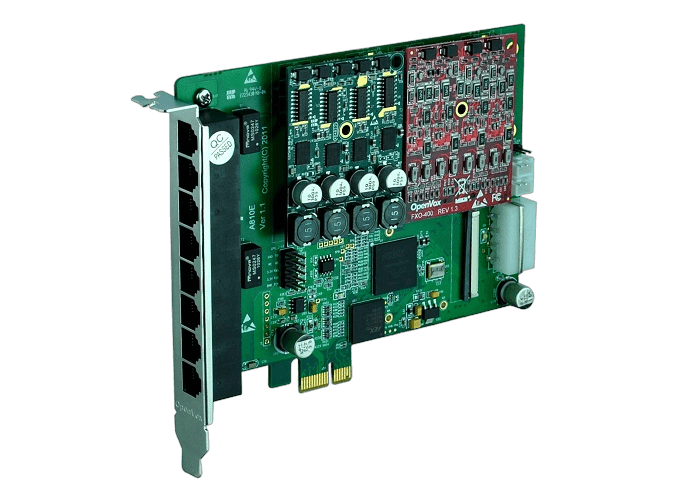
Telephony card model
Mid-range card for branch servers that need more analog ports than an entry build.
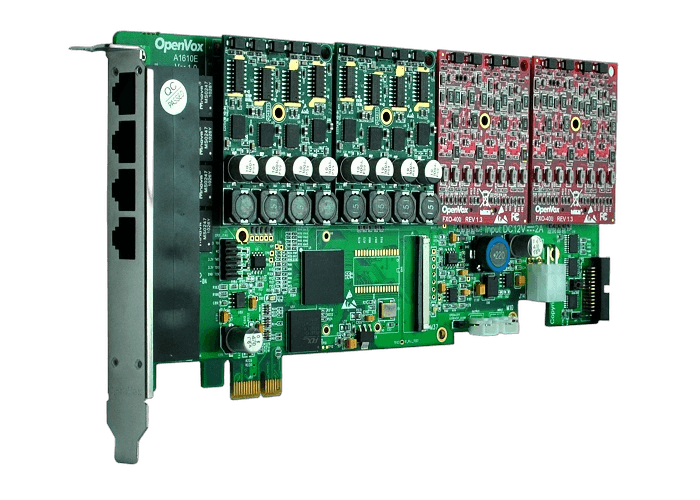
Telephony card model
Higher-density option for sites with a larger station or trunk wiring plan.
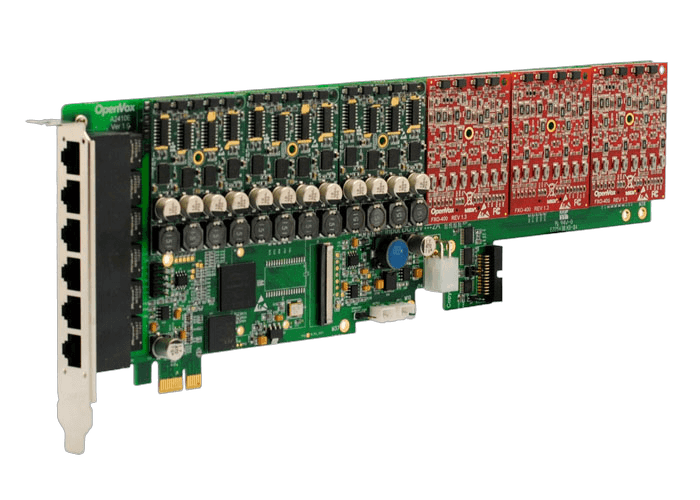
Telephony card model
Largest A-series analog card listed here, supporting rollout plans up to 24 ports.
Use this matrix as the shortlist check. It separates capacity, module family, and installation facts so sales and engineering review the same configuration.
| Specification | A400 | A810 | A1610 | A2410 |
|---|---|---|---|---|
| Selection role | ||||
| Line-side use | FXS serves station devices. FXO receives PSTN or legacy PBX lines. Mixed sites need both counts mapped before model selection. | |||
| Port ceiling | Up to 4 analog ports | Up to 8 analog ports | Up to 16 analog ports | Up to 24 analog ports |
| Module type | FXS100 / FXO100 | FXS400 / FXO400 | FXS400 / FXO400 | FXS400 / FXO400 |
| Deployment role | Small server PBX | Branch analog expansion | Dense station or trunk wiring | Largest A-series analog build |
| Deployment checks | ||||
| Software stack | Asterisk and DAHDI run on the host server, so driver support and operating system fit must be checked early. | |||
| Server check | Verify slot type, card revision, power connector, and available server power before rollout. | |||
| Before rollout | Send the line map, capacity target, module mix, server details, and preferred model for review. | |||
Analog Cards are designed for PBX servers that need internal FXS or FXO expansion. If the site needs an external SIP adapter, a standalone branch gateway, digital trunk access, or mixed-interface telephony, another OpenVox product family may be a better fit.
Send the line map, port count, server slot, power lead, operating system, Asterisk and DAHDI versions, plus the preferred A-series model before rollout.