
Retain familiar room phones
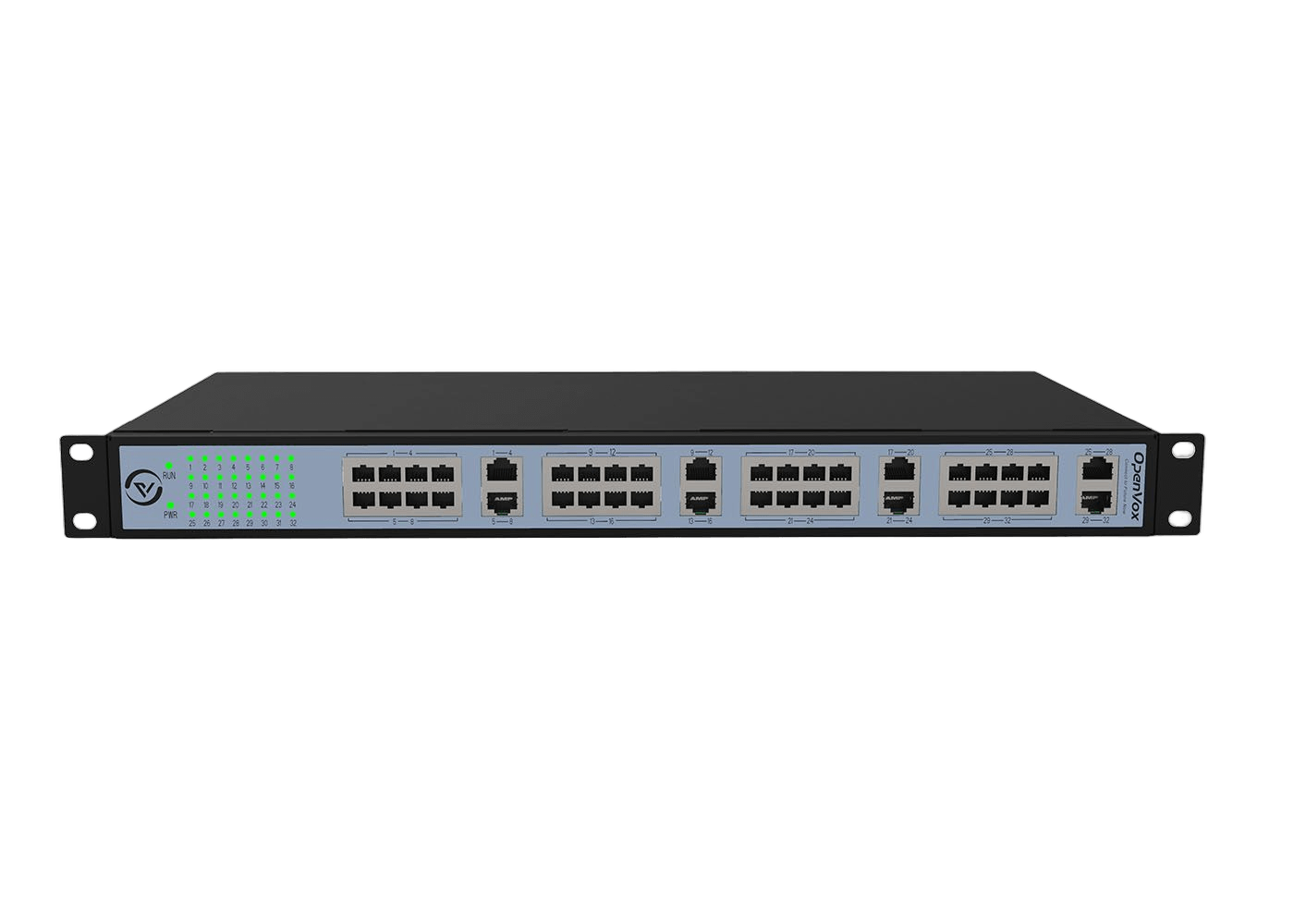
Use FXS gateway capacity to bring established analog room phones into the hotel IP voice system.
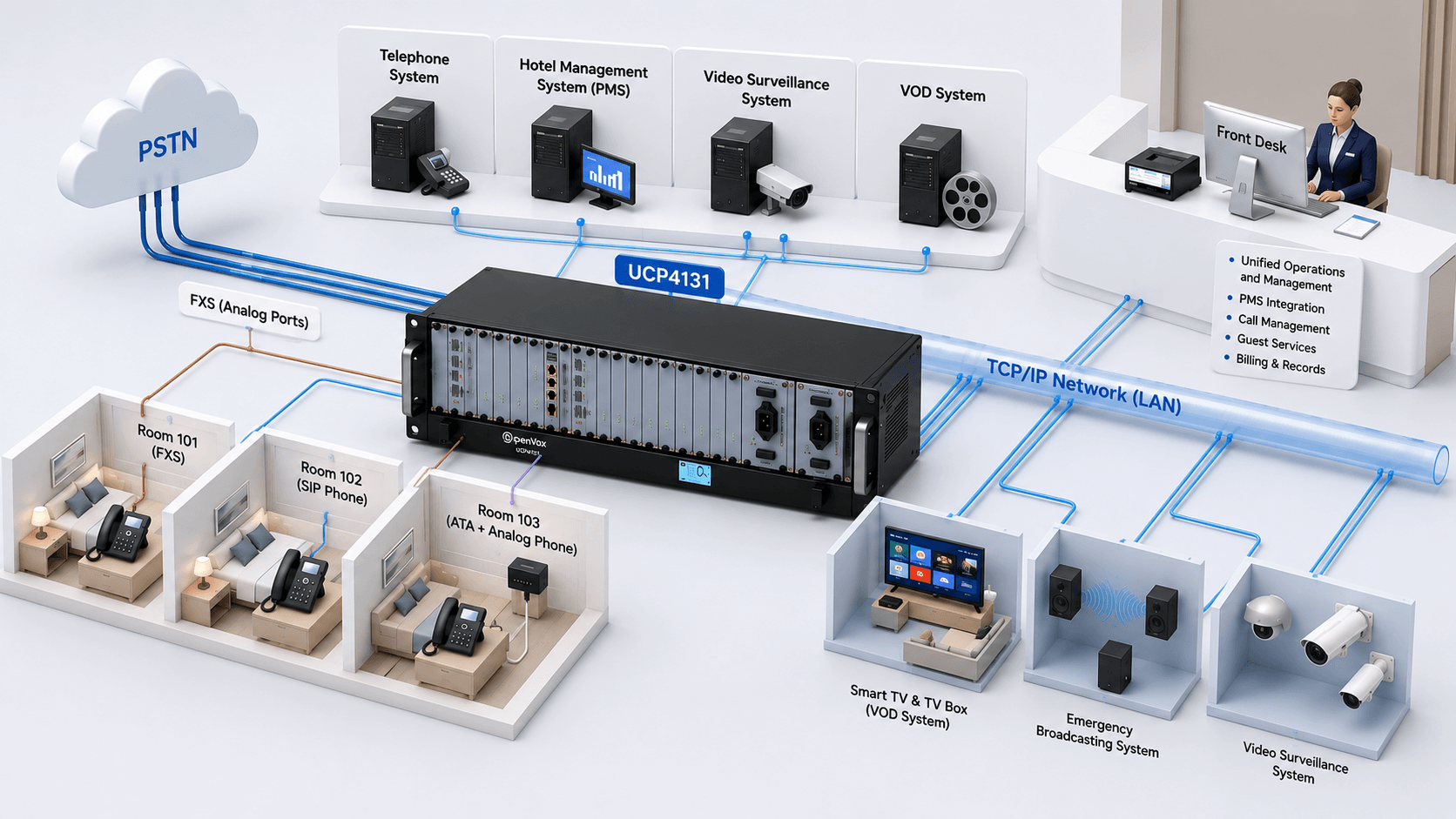
Connect guestrooms, reception, public areas and hotel teams through one calling plan, while matching each area to the endpoint type and call behavior it needs.
The service challenge
A guest may start with a room phone, while reception and service teams use different extensions and call-handling rules.
When those points are fragmented, calls are harder to route and service response can slow down. A shared voice system gives each area a defined role without forcing the same endpoint choice everywhere.
Use FXS gateway capacity to bring established analog room phones into the hotel IP voice system.
Use transfer and forwarding rules to pass a guest call from reception to the relevant service extension.
Organize analog and SIP extensions around rooms, reception, public areas and back-office responsibilities.
Four communication zones
Start with who needs to call whom, then match room phones, staff extensions and call rules to each part of the property.
Hotel call control and numbering
MAG2000 room-phone access
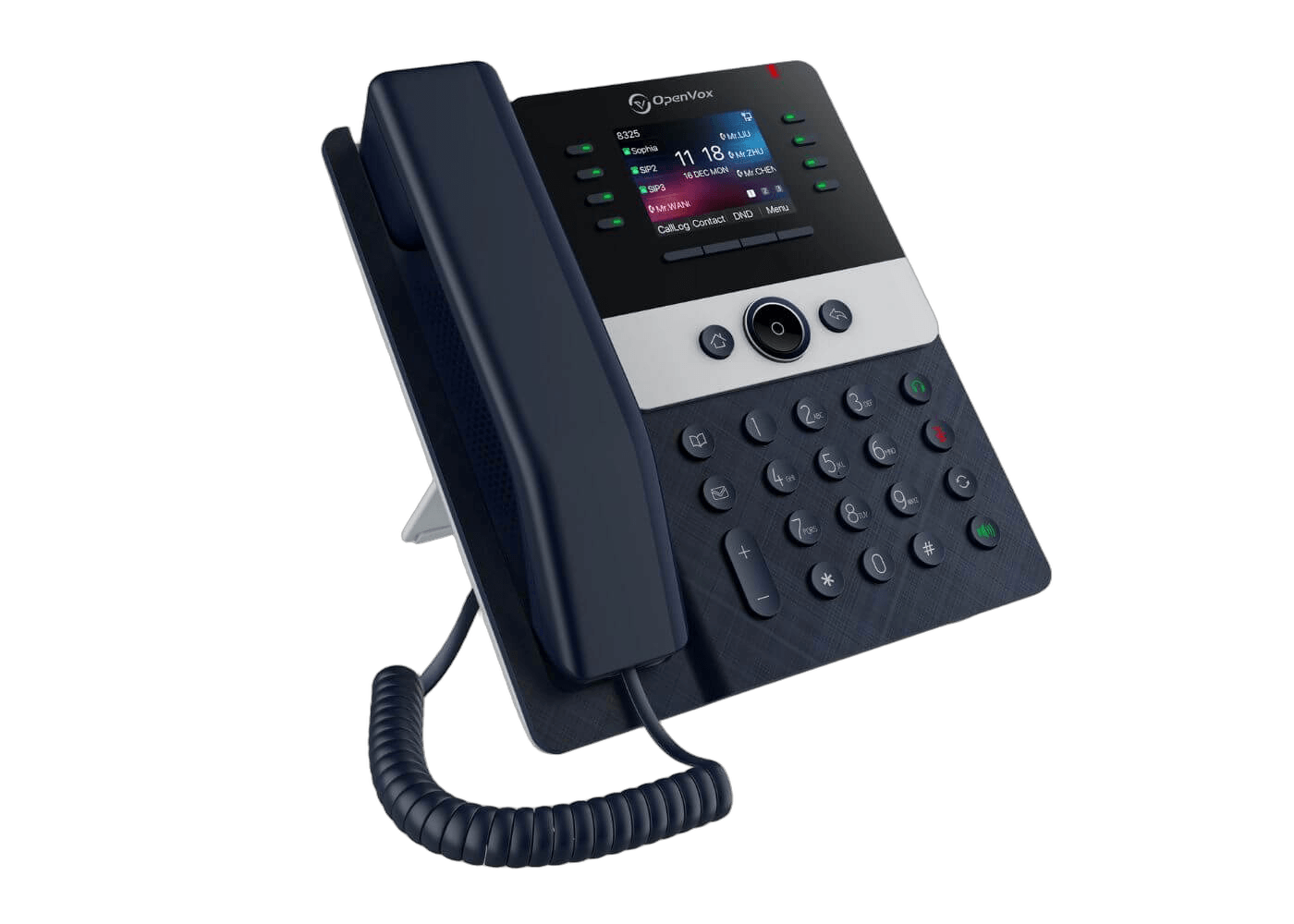
C421 staff SIP endpoint
Hotlines and defined phones
Staff numbering and permissions
Use FXS capacity to bring established analog phones into the shared voice system.
Use transfer and forwarding rules for hotel service requests.
Keep endpoint choices local while the property follows one calling plan.
Hotel calling moments
OpenVox business calling functions support a practical sequence from the first room call to transfer, follow-up and controlled extension use.
An analog room phone or other defined hotel extension places a call through the shared voice system.
Call transfer moves the conversation to the service or back-office extension responsible for the request.
Forwarding rules can direct unanswered or busy calls to a predefined destination within the operating plan.
Number analysis and permission settings define how different room and staff extensions can place calls.
A hotel voice design starts with room counts, service points and calling responsibilities, then turns those inputs into endpoint, gateway and platform requirements.
Count guest rooms, reception points, public areas and back-office teams.
Identify which locations use analog phones and which use SIP endpoints.
Document transfer, forwarding, hotline, numbering and permission requirements.
Select UCP and FXS roles after room phones, staff extensions and continuity needs are understood.
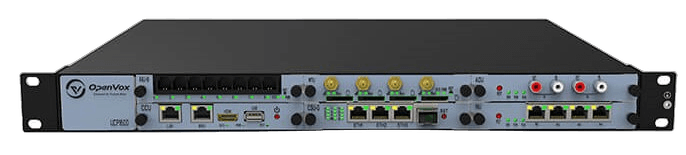
OpenVox UCP provides the calling core and SIP interworking, while FXS gateways bring analog room phones into the IP voice layer. SIP phones can serve reception and staff areas.
Selected UCP models provide redundancy-related options. The appropriate continuity design depends on the model, trunk arrangement and property topology.
Assess rooms, call flows and capacity →ANALOG ROOM ACCESSOpenVox documentation covers analog phones, SIP phones and other supported endpoint types within a UCP system.
OpenVox calling functions can be mapped to reception, service and internal hotel workflows.
OpenVox analog gateway families cover smaller endpoint groups through high-density access requirements.
Selected UCP models provide redundancy-related options that can be assessed for the property design.
Share room-phone quantities, staff extensions, reception call flows, existing cabling and continuity requirements. OpenVox can help map the calling core, FXS capacity and trunk roles.